
I thought I knew what Pokémon GO was. Then I showed up to a meetup with hundreds of players… and realized I was playing a completely different game.
During my time in Seattle, I had the chance to experience one of the most active and well-organized groups in the game: Mega PokéGO Seattle.
With thousands of players and large-scale meetups, it completely changed how I see the game. Here’s a closer look at what makes it work and the people behind it.
Introduction to the Community Ambassador Program

In 2016, I remember opening Pokémon GO for the first time with friends. I fondly remember spending my time wandering around my local community with them, battling the local gyms, and hunting down new entries for our Pokédexes’. In the early days of Pokémon GO, I remember hearing stories and reading news articles about people swarming their local hotspots in order to catch a rare Dragonite or Snorlax spawn.
These experiences were part of what got me hooked in the game. Over time, however, this sense of community began to fade. One of the ways that the Pokémon GO developers began to try and recapture this energy was through their Community Ambassador program.
For those that don’t know, Community Ambassadors are fellow players that have volunteered their time to help develop their Pokémon GO communities. They also serve as a bridge between their communities and the Pokémon GO developers.
The specifics of what Community Ambassadors (CA’s for short) do varies based on the community, but their primary role generally is to organize and facilitate community meetups.
These meetups are usually scheduled around weekly events, such as Raid Hours or Spotlight Hours, as well as larger events such as Community Days or GO Fest. Depending on the size of the community, this process can be as simple as sending out a meeting time and place, but can get significantly more complex as a community grows.
There are a plethora of other smaller components that also go into the planning of these meetups, which we will dive into a bit later.
Today I wanted to take an opportunity to give a spotlight to a community and its team of CA’s that I have had the privilege of interacting with for the past few years. While this article will feature one community specifically, know that there are CA’s around the world that are putting in just as much time, effort, and care into their communities as the ones I will be highlighting today.
If anything in this article resonates with you, I encourage you to engage with your local community if you are able to, or otherwise connect with the more global community as a whole if you get the chance!
Introducing Mega PokéGO Seattle!
This summer marked the end of my time in the beautiful Pacific Northwest of the United States, at least for now. I’ve spent the past 5 years living in Seattle, Washington. I moved up to Seattle just after the peak of the global pandemic, which needless to say was a bit of a rough transition.
Pokémon GO was one of the few things that helped get me through that period of time, but I found myself missing the community aspects of the game as I explored the city alone.
A few years later, I had found a small group of friends to play Pokémon GO with. This was already a huge improvement over the solo grind, but they then introduced me to our local community of players called Mega PokéGO Seattle. This group was started by Community Ambassador Al4believin.
This is an extremely large community, with just over 12,000 registered members in the Campfire app alone. The group covers the greater Seattle area, and smaller offshoots of the group have formed extensions of the community in the surrounding area. The main group meets up at a large park in Northern Seattle.
This was my first real experience with an established Pokémon GO CA community, and it far exceeded any of my initial expectations. Meetups were scheduled regularly and were well organized.
The CA’s were always present and managed to balance their role as the facilitators, ensuring that the event didn’t disrupt the surrounding community, with engaging with the players around them to ensure they had a positive experience.
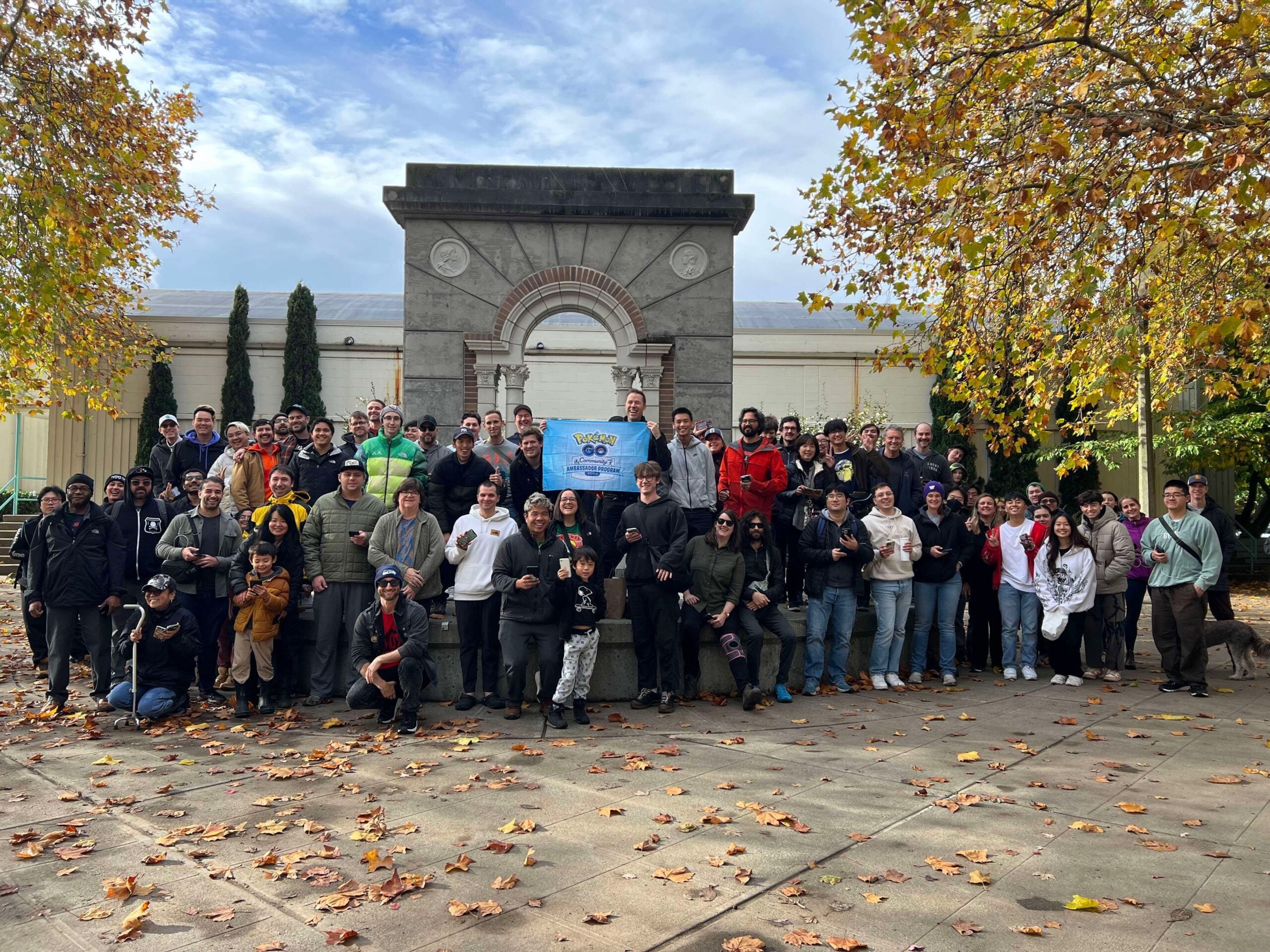
I distinctly remember one of the first Gigantamax Battle events where the CA was simultaneously shepherding hundreds (yes HUNDREDS) of players, acting as a traffic crossing guard, and running a merchandise competition and giveaway!
This summer I had the privilege of sitting down for a chat with some of the people behind Mega PokéGO Seattle. I got to learn a bit about their history with the game, what goes into organizing each event, and a bit about the CA role as a whole.
Below you’ll find the interview questions, as well as some highlights from the more casual conversations we had before and after the interview about Pokémon GO and the community as a whole.
I’ll have a summary of some of the key discussion points and takeaways at the end of the article, but for now I hope you enjoy hearing the CA’s insights as much as I did!

About the Interview
I was able to connect with CA’s 0IneedC8H10N4O2 in person and SpudMuffin via messages. Since I sat down with 0IneedC8H10N4O2 in person, I was able to ask more follow-up questions, which is why his responses are a bit lengthier and have some back and forth between him and myself. For simplicity’s sake, I will label the responses with an INC and SM, respectively, as well as KT for myself.
An important note for the background of the group: This community and its foundation were built upon the hard work of Al4believin, the original CA. Both of the current co-CA’s placed a heavy emphasis in their responses that they are simply continuing Al4believin’s good work (she’s still around, but no longer the CA for the group). While not all of these conversations were able to be fit into the article, it will be referenced throughout, and I along with the current CA’s thought it important to highlight the hard work of the person who founded the group and made it what it is today!
Some important additional context: this interview was conducted in June of 2025. At the time, the most recent big update had been Max Battles and G-Max Battles, and the most recent large events were the first GO Wild event and the Go Tour Unova. As such, much of the discussions we had about CA duties and event preparation center around these events. This also means that some information may be outdated. For example, this was prior to the reworking of the level system, so you will see myself and the CA’s reference being level 50, which was the maximum level at the time.
More importantly, this was around the time of the announcement that Scopely would be acquiring the game, but prior to the official takeover.
All this to say that a lot has changed since this interview. Many of the behind the scenes aspects of the Community Ambassador Program have shifted or changed altogether since then. However, the purpose of this article is to highlight the hard work of a very dedicated community and some of its leaders, as well as to give you some insight as to what Community Ambassadors do.
With that out of the way, let’s get into the interview!
Interview Questions
Can you introduce yourself to us?
SM: My name’s Derek. I’ve been involved in a lot of various gaming communities from Magic: the Gathering to Halo, and I got involved with the Pokémon GO community in 2022.
INC: My name is Andy. I’m one of the Community Ambassadors for the Mega PokéGO Seattle group. I was told that we were one of the original Community Ambassador groups to be established from the Silph Road communities. Our group started way back in the day, before Campfire was even a thing, and now it has ballooned into a much bigger beast.
What is your history with Pokémon GO or Pokémon in general?
SM: Pokémon GO is actually the first Pokémon game I’ve ever played. I played the POGO spinoff Wizards Unite a bit, which made this game easy to fall into.
INC: I remember way back in the day, when Nintendo was first introducing Pokémon to the US. I remember they had a very big push to try and introduce it because it seemed so foreign to us. Nintendo brought out these Pika-bugs, which were these Pikachu Volkswagen Beatles. It was kind of like a promotional tour thing, and I remember them parking one outside of the Toys R US, back when it still existed. People brought their kids to take pictures with it, and that’s what kind of piqued a lot of people’s interest. And this started this whole cascade of everyone at my school suddenly getting obsessed with it, and everyone just kind of started jumping on to the Pokémon bandwagon. So that’s where it kind of all started for me, with OG Red and Blue.
Tell us a bit about what you do for the Mega PokéGO Seattle community.
SM: The big responsibilities we have as CA’s include hosting events, managing online communities, helping newer players, and building the community.
INC: Yeah, we pretty much facilitate in-person meetups, centered around the game events. I basically try to help monitor the group’s movements, to the best of my ability, to keep everyone as safe as possible. Also, I help try to set the pace when it comes to larger events like Raid Day, Max Battles, and whatnot.
How did you get started with the Community Ambassador role? What made you want to do it?
SM: I started attending regular events, and helping players who had questions about things I was already familiar with. When the previous CA had to step away, I would frequently step in, and that continued more and more as time went on.
INC: So I was mostly doing my own thing within our local community. I happened to chance across Al4believin, our main ambassador that started the group. When I hit level 50, I hit a similar end-game crisis many other players do and wondered, “Now what?” I wound up learning about Wayfarer and the potential for new POI creation, and I decided, “You know what? I’m gonna light up the park. I’m gonna add as many Pokéstops as I can.” So I learned about the S2 cell system in its varying levels and ultimately wound up adding 40 or so Pokéstops to the park, 3 of which have become gyms.
When I connected with Al4believin, she had heard about all of that and told me I’d be a perfect ambassador. She said that anyone who is trying to make the community better would be a perfect fit. I was very hesitant at first, but over time I warmed up to the idea, and eventually SpudMuffin and I officially stepped up. I’m always working to continue the great work that she started.
What exactly does an average event look like when you’re managing it?
SM: It looks like a quick announcement at the beginning introducing myself, and making sure people have a general idea where we’re going and what we’re doing. I make sure they know they can come to me with questions, and let them know there are prizes and rewards that I have to give out.
INC: For the larger events like GO Wild, GO Tours, and G-Max Battle days, when hundreds of people show up, I’m basically just a glorified traffic cop. With that many people, simply crossing the street becomes an ordeal. We’ve definitely learned our lesson from that. We’ve tried to streamline things and contain the events to the park so that we don’t create a traffic nightmare for people outside.
KT: And for the record, what has been the largest number of people you have hosted for an event?
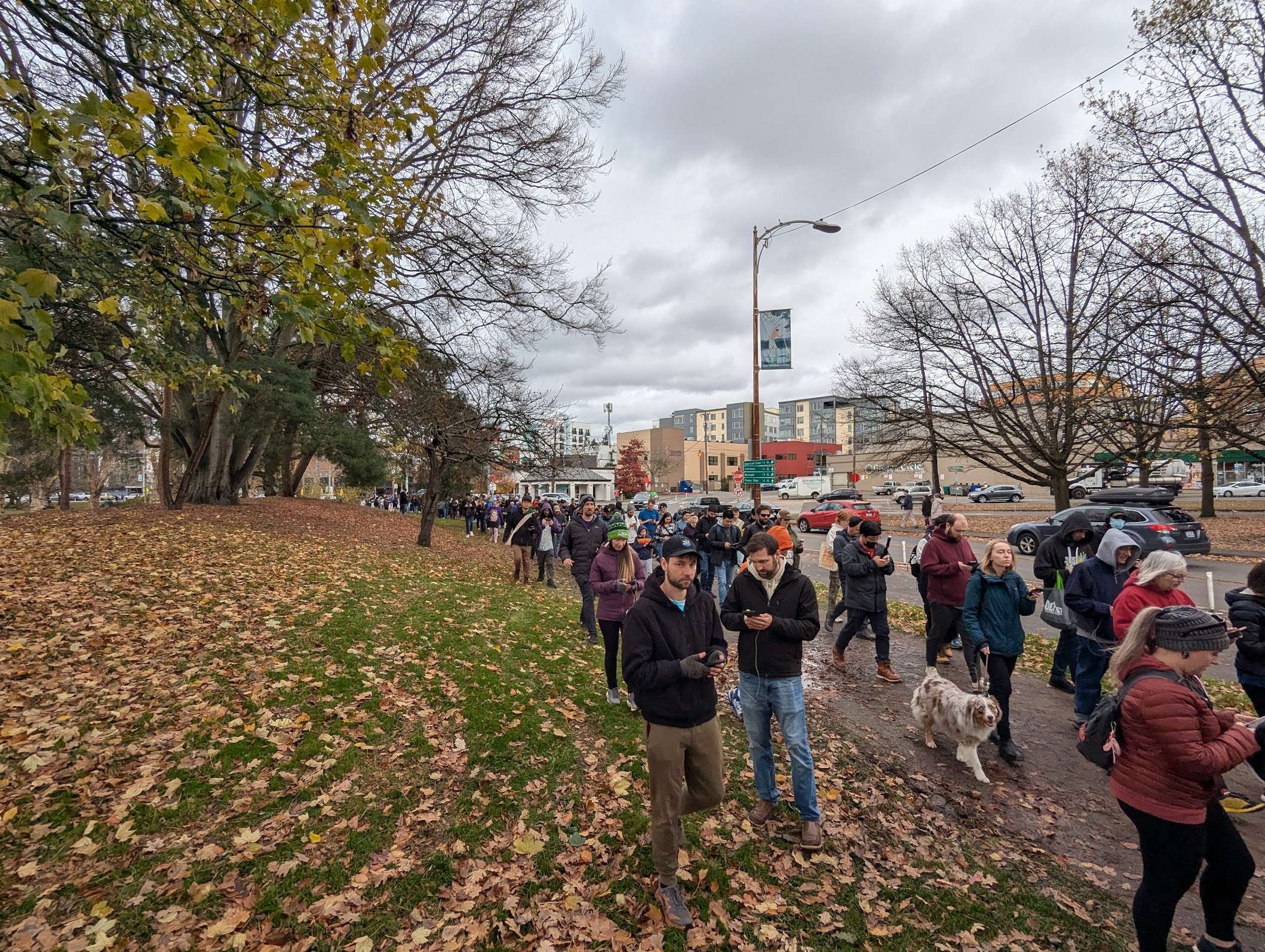
INC: I think that was G-Max Lapras, where we had around 500, maybe 550 people, and those were just the ones who checked in on Campfire. I believe we actually made it onto the Seattle Reddit thread for that one, because some people were posting photos wondering what was going on!
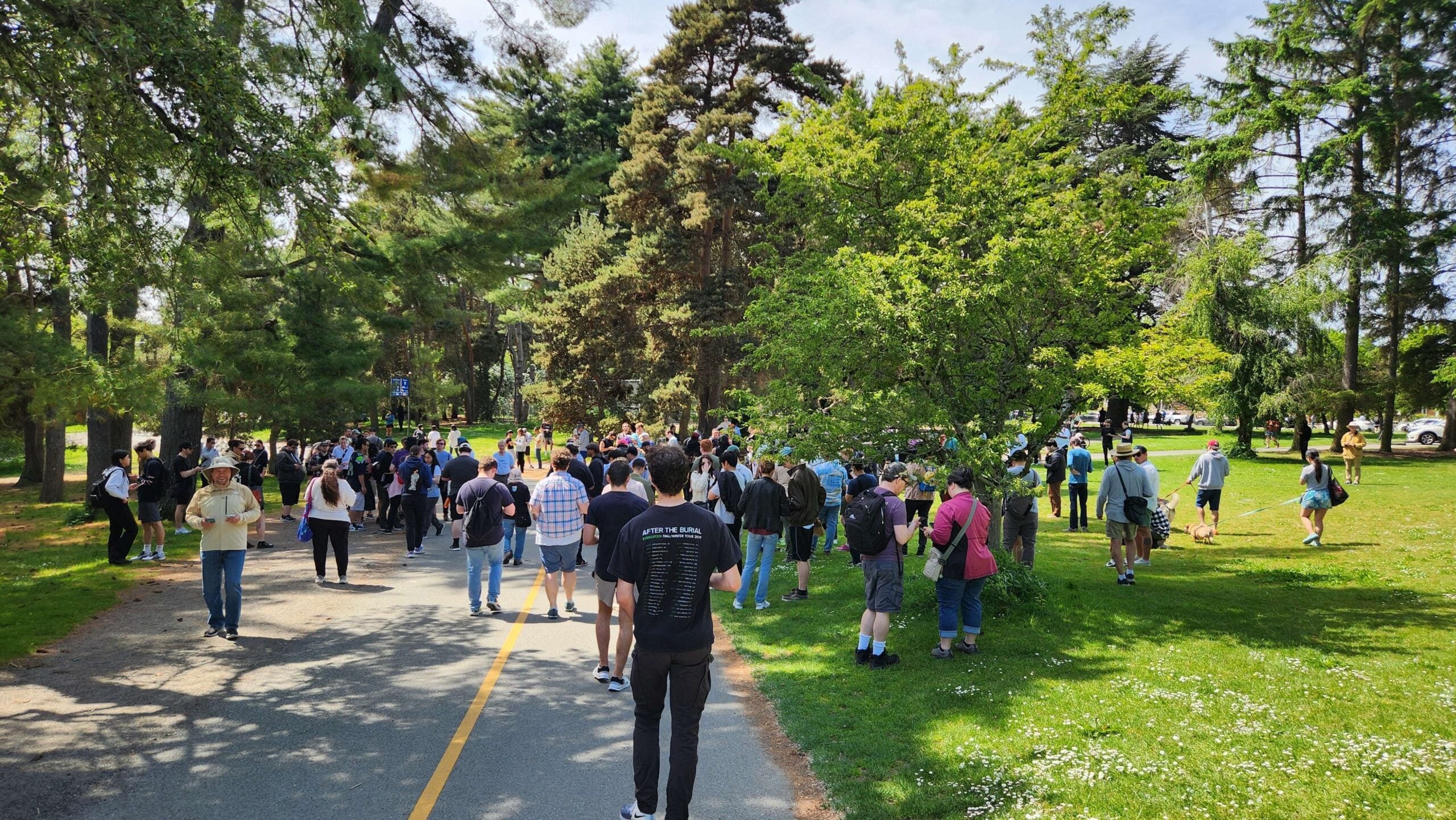
KT: I remember attending that event! I remember the number of people alone was staggering.
INC: It’s pretty incredible because even though new CA groups have started popping up, we still have folks from Marysville, Tacoma, Everett, and even the peninsula coming in for bigger events (KT’s note – some of these places are well over an hour’s drive from the meetup site, not including traffic!). We have pretty much got the entirety of Western Washington covered.
KT: And is there any special prep that needs to be done leading up to an event? For example, say there’s a G-Max event coming up for the weekend. Is there any scouting or anything that has to be done?
INC: Yes, so scouting out the spots we usually do the day before, because in game it shows us where spots are going to pop up for the next day. For us, we’ve tuned it down to two locations in the park. We know that we’ll only get 2 power spots per S2 cell, so based on the concentration of secondary POI’s (points of interest), we were able to narrow it down to two areas of the park where we usually host these events. So we can pretty much consistently get four to six there if we’re lucky.
KT: That’s great! I mean that’s all you need for a G-Max event, since by the time you finish those they will have reset?
INC: Well, yes and no. Part of the organization aspect of it is knowing that some people will buy the pass, which means that they’ll need fresh Power Spots to collect the Max Particles for it. So I’m always making sure we have more Power Spots available, because otherwise they’ll be relying on the 0.5 KM for more Max Particles. The last time we hosted [a G-Max weekend event], we made a path between 7 Power Spots [near the meetup location] at first, but because 3 of them were more out of the way, by the end we just stayed near the clustered ones since we had capped out [the Max Particles we could collect from Power Spots] for the day. (editor’s note: the paid pass has since been tweaked to provide some MP through Timed Research)
Has there been anything about being a Community Ambassador that has surprised you?
SM: I’ve been pleasantly surprised by the demographics of the people who come out to events. I regularly see everyone from single-digit-aged children there with their parents, to people in their 30’s and 40’s, to senior citizen couples who come out to get their steps in. It’s been a very welcoming community.
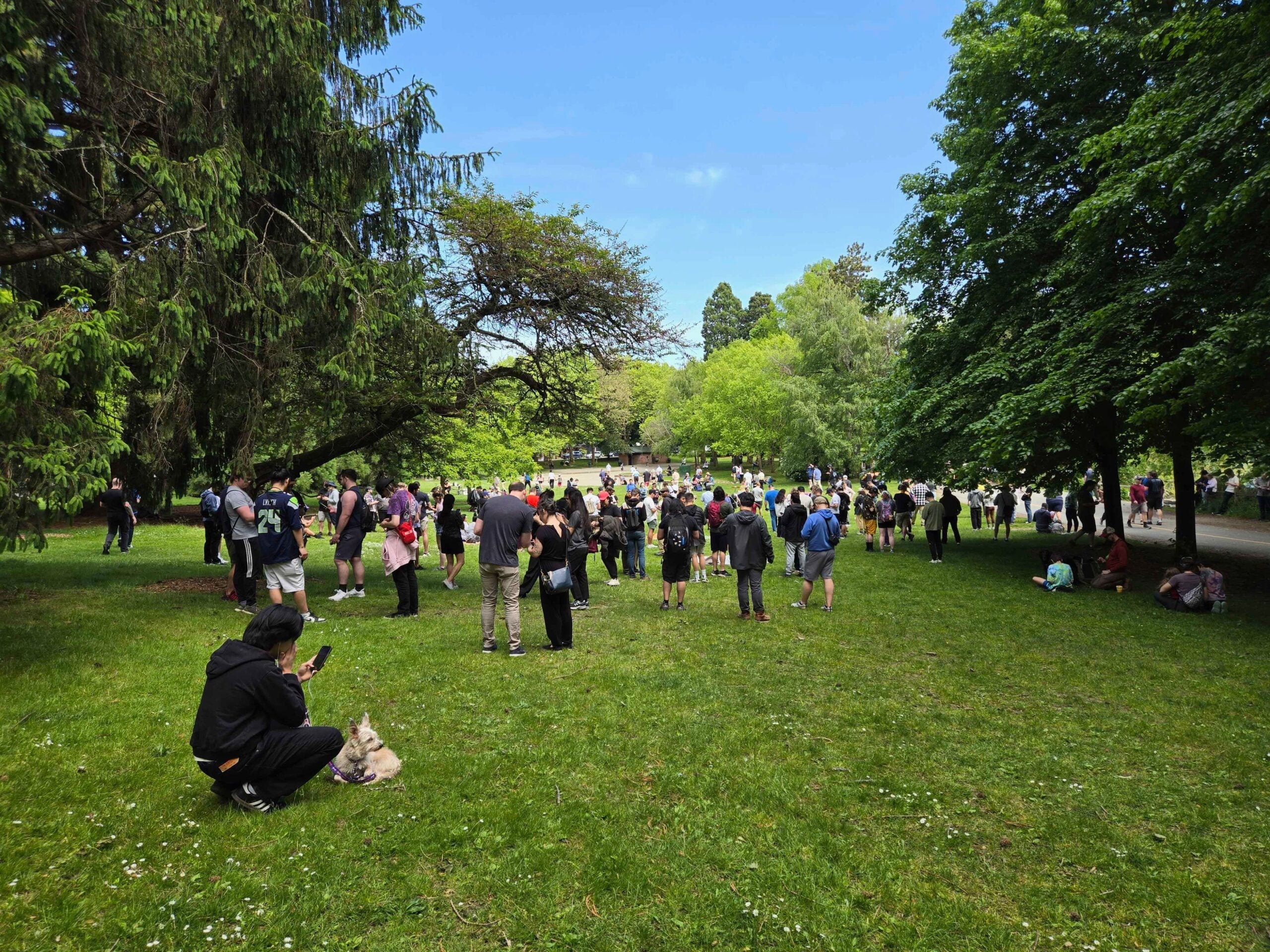
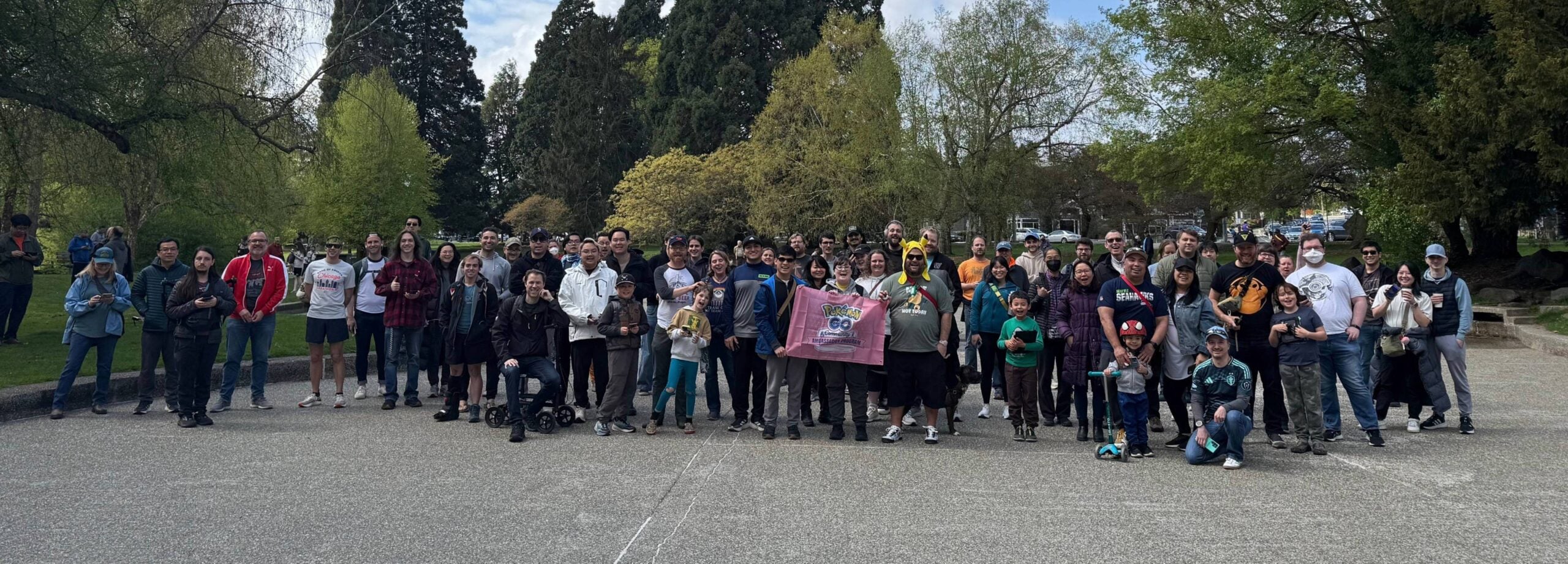
INC: The explosive growth of the community for sure. Like I said earlier, when we first started this, it was a tiny neighborhood group. We would send a message out on Discord and say, “Hey, there’s a Raid right down the street. You want to go?”, then five or six people would show up, beat the Raid, then head home. Now we regularly host events with hundreds of people.
What exactly does your partnership with Niantic look like as a CA?
SM: It looks like a balancing task between behind the scenes work and what the community actually sees. There are a huge amount of logistics that occur that everyday participants (ideally) never see, or need to worry about.
INC: It’s important for me to remind people that while yes, Niantic is supporting us and the community, I am still merely a volunteer. I am not an employee, I just simply love the game as much as everyone else and want to share that joy as much as I can.
Having a partnership with Niantic has changed the way we approach problems, though. In the past, I would probably have been more open to just openly criticizing things. Now it’s like, “Ok, this is an issue. I understand. Is there any way we can mitigate that? Is there any way we can help alleviate that?” In a way, we’ve kind of become secondary problem solvers, because we [the CA’s and Niantic] have a mutual goal of wanting our communities to grow.
KT: I see, so it’s not about pretending problems don’t exist, but rather about finding ways to collaboratively solve them rather than just complaining.
In terms of events and meetups, I know that sometimes you have official merchandise available which is provided through the CA program, correct?
INC: Yes, but unfortunately, our group has grown so large that the giveaway items that we get are not scaled proportionately. I know there are smaller groups where they have been able to scale down. For us, we have over 10,000 members, of which the active members are still in the several thousands. And it’s hard because I want to give everyone stuff if I could, but there’s just no way we can. With other groups that are similar sized to us, I know they have faced similar challenges, and we’ve come up with creative strategies to handle it.
KT: Can you explain a bit about how your group usually does this?
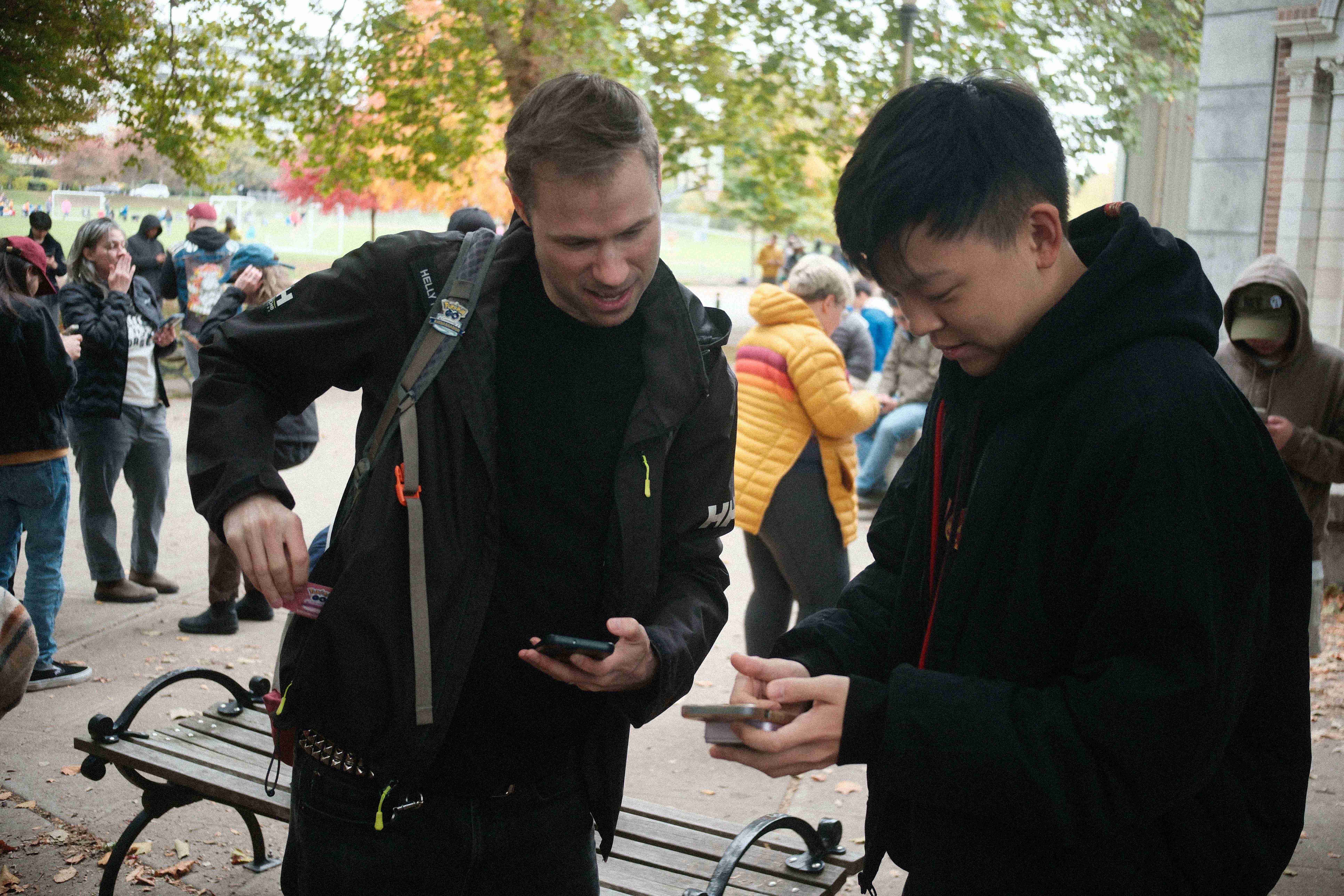
INC: Everyone has a different idea of doing things, but what has been fairly consistent across a lot of groups are contests. We have one we call the biggest loser (lowest IV). If we somehow have multiple people with the IV floor, then we award it to the lightest weight [Pokémon] out of them. We’re open to ideas too. I know some other CA groups do bingos or little word searches for kids. I can’t say enough that there’s multiple other ambassadors that have gone way out of their way to do things for the rest of us to try to make things more creative, more fun and just more engaging as well.
What are some of the struggles behind being a CA that folks may not always see?
SM: Understand that people come to this game and events for very different reasons. For every competitive grinder you have that only cares about PVP IV’s, you’ll have a collector who only cares about shinies, and a casual player who is just excited to be out at an event with people, catching their favorite Pokémon. All those players can have a space at the events we run.
INC: Well, I alluded to it earlier, but just to remind everyone that all CAs are still volunteers. We are not Niantic employees. We do get goodies to hand out, but we’re doing this out of the passion for the game and our community. We do want to grow our communities, and we are motivated to do so, but again, we do have to strike a balance. We have lives outside of this. We do have family. We have jobs, and that’s also part of how it sustains us to be able to do this. So while we do want to provide everyone and as many opportunities to get together and have fun, it is physically impossible for us to host every single event. Please bear with us if we are absent for any of them or if we can’t create a meet up for everything.
If you’re here specifically for the [meetup] rewards and we aren’t able to host, there are other neighboring communities you could meet up at. You might have to travel a little bit further for it, but if your goal is for the rewards, they’re available. But if you’re here for a meet up group that you know is consistently available regardless of the rewards, there will always be people here. Even if us as hosts are not here, people will naturally gather here.
KT: Wow, I know event fatigue was a bit of a concern for the player base, but I imagine it’s much more real for CA’s.
INC: We don’t want to let the group down, which kinda shows some of the pressures of being a CA. I know other CA’s are getting burned out because of the sheer amount of events. Especially the weekly events (like Max Monday, Spotlight Hour, Raid Hour). So I will always make a point to host the Stardust events [2x Stardust Spotlight Hour], because I know people are always dust farming, but sometimes I’ll see “Where is everyone?” for another weekly event when people aren’t that motivated. I’m just trying to set realistic expectations.
Do you have any advice for folks looking to start up a POGO community?
INC: I have to give a shout out to all of our admin team and moderators. We have a very robust group of people also helping manage the group that are also working behind the scenes. They will also come help out during the events when it just gets too chaotic and large, so they will also help sub-lead the group, or if I’m running late from a work meeting or something like that and they have to help start the group they will also do that. And so that’s one of the things that I would definitely encourage people to make sure that they have if they are planning on having a group or wanting to build up a group this large. Don’t be the only person there! You need a support group. You need people around you that you can trust, that you can work with and work compatibly with, hopefully not having any internal arguments or issues with, but to be able to work out things. Yes, you can start something, but to sustain it and to build to grow, you must have a team. I don’t think you can just do it as a single person. I’ve heard multiple CA’s, immediately after becoming a CA, saying “Oh my God, I need a co-CA right away.” You can’t do it alone.
Some final words and shoutouts from 0IneedC8H10N4O2
Just a good shout out to everyone that has been here before. Al, who created the group, SpudMuffin, who’s been a pivotal co-ambassador and helping balance out the events, and then the rest of our admin team/moderation team that has basically been instrumental in making sure that our group has been sustainable. So, like I said, I can’t take credit for the things that we’ve all been able to work together for – we are operating as a team. And also the rest of the ambassadors out there, there’s an immense amount of work behind the scenes that is going on, that they’re also undertaking that they should also hopefully get credit for as well.
Additional Thoughts with 0IneedC8H10N4O2
Prior to starting the official interview I was chatting with Andy, and the conversation was so great that I asked if I could record it as well. This conversation is related more to the game itself, late-game content, and FOMO (fear of missing out). If you’re interested, then stick around, but if not, you can skip to the next section for a TLDR of the interview and some final thoughts!
Note: this is where I began recording our conversation. We probably spoke for 5-10 minutes prior to this, and this was also before the official interview questions.
INC: We don’t want to let the group down, which kinda shows some of the pressures which I can elaborate on. I know other CA’s are getting burned out because of the sheer amount of events. Events are linked to specific rewards, which then puts an extra pressure of, “Why are you not putting together something that has rewards?” Even if it’s something minor, people still ask, “Hey, are you gonna be putting something together for this?” Tera Thursdays would bury me haha.
KT: I mean, we joked about a Monday event, and here we are. It’s definitely getting to be a lot. From a player’s side, I’ve always pushed the idea of, “Hey, do what you can, do what you want.” If the game is becoming a chore, then something’s wrong, and that’s been a really good exercise even for myself personally. Because I’ve always been a pretty avid player. I’d imagine that for CA’s it’s probably a little bit more difficult to balance.
INC: It helps that I’m level 50, I’m a day 1 player and I don’t feel the FOMO pressures as much as others might. There’s not as much incentive or drive to push me to play hard with repeat content, but it’s a tough balance for the newer content where I have to balance admin responsibilities with wanting to play hardcore and trying to juggle that.
KT: FOMO is definitely a huge thing.
INC: We can tell you all about that for the release of G-Max [Venusaur, Charizard, and Blastoise]! Were you here for that?
KT: I was not, and that was the first time in a while that I felt the FOMO.
INC: I polled the group before it happened to gauge interest. In the early time zones we heard people were failing even with full lobbies of 40, so we were a bit more cautious. People were still interested, 80% wanted to try, and on the day of, hundreds of people showed up. FOMO then was on full display. When people saw the size of the group, they wanted to keep going, because when else could get 300+ people to take the battles? Some people did 20-30 battles the first day.
KT: Yeah, and that was a big conversation [myself and some other GO Hub writers] were having just in terms of player expectation, but also how the game has been structured. FOMO is almost a part of the game, with the Dynamax and the G-Max especially. I was reading some of the reports, and obviously, most people were frustrated. But when I was going through and breaking it down, I saw a lot of teams that went in with only Wooloo’s. Obviously that wasn’t going to go well. And that was a big thing in the first time zone. So we have an Australian based writer who said, “Yeah we had to do a mid event reorganization.” And then they were able to get it running again.
INC: I saw all those things too. We have our own community that discusses these things and we help each other out. It’s like, “Hey, this is what our group did, this is what helped us. Here’s some ideas,” and “Here’s some thoughts which you guys can use to try to learn from our mistakes,” or “Here, try this. This is what we’re doing.” I know there’s a CA that actually literally had 200 people show up. He lined them up one by one. I don’t know how, but he had the photos to prove it. Lined them up one by one, and he pulled out every fourth person and said, “Okay, you’re the tank, the healer, you’re the attacker, you’re the tank, you’re the healer….” So he had like organized groups of four, and he would go down the line and be like, “Okay, you guys lobby. Okay, you guys lobby, okay, you guys lobby.” So it’d be this whole structure thing where you knew that each team would have a dedicated healer and tank basically supporting the rest of the team. And I’m like, okay. I don’t think that would have been a lot. I don’t think I can do that here.
But it’s like you were saying, there’s so much all the time. They’ve been and they still are adding to it, and they keep sneaking in extra little quality of life things that you don’t really think that will help. And then suddenly you’re like, “Oh, yes, I didn’t think I would actually want that, but that’s great.”
KT: Oh, exactly. There are simultaneously so many issues, there’s so many growing pains still, but also, there’s so many quality of life updates. It really shouldn’t work as a function system, but it does. So I have to give them credit where credit’s due.
INC: So with our previous check in system with Campfire, for example. It would generate a code, and then you’d have to go into the code login website, and then you’d have to go through multiple layers before you could finally enter the code, and then finally, that would then process into the game. Supposedly, I’ve heard from other players who are also game developers that the system, even for that, is already sophisticated, because apparently it’s using a third party system to coordinate the codes that you won’t necessarily be able to get that to work on a lot of the platforms. And so it was apparently a miracle it worked at all.
KT: Interesting, that’s really cool insight. I never would have thought of that, especially compared to the updated system we have now..
INC: I didn’t either. I’m not a developer so I wouldn’t know, but they’re like, “Wow, this system actually works!”
KT: But, again, it all works out. Everyone, myself included, was a little confused why Generation 8 got passed over, but then it suddenly made so much sense, like, why wouldn’t you release that alongside your Dynamax feature that they were probably in development at the time.
INC: To be fair, when it came out, it was a completely new system. It was a completely new UI for those battles, and I’m actually surprised it made it in so quickly without as many issues. There were bugs, but it just seemed like it was one of those major patches that happened to a game that just happened to work and was generally functioning, which is amazing.
KT: Yeah, and I think that was another thing I remember talking about, trying to calm people down and say, “Hey, this is meant to be a new thing to work towards. We’re not used to that.” I’ve got a Rhyperior that I’ve had since 2016 as a Rhydon that I still use in Raid Battles today. We’ve never had a system where we truly had to start from the ground up. We’ve always been able to use our existing Pokémon. It’s something to have to build towards. And I was once I framed it like that for myself, I was like, “Oh, honestly, I love that. I think it’s great.”
INC: I personally saw it as new endgame content. For a lot of us who hit max level, we were thinking, “Oh, we’re kind of bored of the game. What else can we do other than just kind of keep farming again?” Of course, there’s still all of these things like new Legendaries that still haven’t come out yet. Arceus is still not out yet. All these things. But what are we going to strive for? [Max Battles] are something that kind of rehashes the whole system. You can’t take Max Soup and give it to your old team. Now it kind of forces you to restart again, which is kind of like a New Game+. So I saw it as, “Yes, I actually have something to try for!” and I was super enthusiastic about it. A lot of my other community people were more skeptical and said things like, “Oh, this is a new mechanic. This is all messed up. You don’t keep any progress,” and I said, “Hey, guys, just give it time.”
KT: It’s really impressive how they managed to make a whole new system that also didn’t step on the toes of the existing one. Like, you could just not engage with [Dynamax] at all if you wanted. It’s really cool.
INC: Yeah. But it also brought out a lot of people. G-Max battles have been single-handedly the biggest crowd turnouts of any of our events, possibly bigger than Go Fest itself. For Lapras, we had 550 check in’s, and that’s just people on Campfire. I’m sure there’s people that just showed up. For Go Wild, I think we had over 400 each day [of the weekend]. I think the most I had ever seen was maybe a little over 100 people during one of the major events, and then G-Max just kind of blew it out of the water. (editor’s note: to date, the largest meetup for this group is now the GO Tour: Kalos event, which saw upwards of 750 check-ins each day)
***this lead into the actual interview, but we picked up the conversation a bit later when talking about our experiences with FOMO***
KT: Yeah, I mean I’ve known players who get upset when they don’t catch the newest Shiny during its release event. I’ve always said, “Hey, I’m not gonna tell you how to live your life, but if you manage your own expectations and see it as a hope rather than a need, you’re going to have a much better time overall.” It’s hard though, because I was definitely a victim of FOMO when I began playing the game more hardcore. It took me a while to get out of that headspace, but I find that I enjoy the game a lot more because of it.
INC: Yes, everything will come back around as long as you’re willing to wait for it. I have people asking me, “Is G-Max Gengar coming back?”, and I’ve told them, “Probably, but it’ll probably be a while.” But it also will give people time to invest into the system. We’ll see natural progression over time. Like for G-Max Machamp, we didn’t have great counter options. We had Metagross, but it’s not ideal. No G-Max form and it takes neutral damage. We had some neutral tankers like Charizard and Gengar. People haven’t been forced to think about strategy in a long time, so I actually like the fact that you have to put some more thought into it.
KT: Exactly. I had a friend ask me why I was investing so heavily into Dynamax when it came out. For me, it was just something I wanted to do, not because I felt forced. I’m level 50, which means I have more candy than I know what to do with for most Pokémon, so investing it into the new system was something I wanted to do. It is a game, and you should lean into the parts of it that you enjoy. For me, I enjoyed the new system and the strategy aspect, and I had the resources, so I invested. If you don’t enjoy it, nothing about the game’s core mechanics and gameplay have changed.
INC: I do try to remind people that it is a game. At the end of the day, they’re digital assets stored on a server.
KT: Exactly. You’re much better off sticking to what you enjoy and not worrying about the rest.
**While this is the end of the conversation from the initial interview, Andy and I have spoken a lot since then about a lot of these topics and how they’ve evolved since the interview. He also wanted to highlight the hard work of other CA’s out there, as well as some more behind the scenes aspects of being a CA that you can only learn from speaking to one of them. If you’d be interested in some follow-ups on any of these topics or CA’s in general, let us know!
Final Thoughts
If you’ve made it this far, thank you for sticking with me!
A huge thank you to the Community Ambassadors for taking the time to chat with me. I knew that there was a lot to learn, but hearing about their experience, especially with them leading such a large group, provided a great glimpse into what it truly takes to support a community. Here is a summary of some of the things I learned from my chat with the CA’s:
- Community Ambassadors play a large role in supporting their community. They are a group of volunteers that spend their own time to plan meet-ups and organize players to enjoy the events to the fullest while also respecting the safety of both the players and the surrounding community.
- Especially with a larger group such as Mega PokeGO Seattle, a lot more goes into planning events than the general community ever sees. The CA’s do all of this work out of pure love for the game and the community rather than out of obligation or for compensation. If you regularly attend CA meetups or events, take some time to let them know that you appreciate their work!
- CA’s are players, just like the rest of us. They have no control over event schedules, content releases/re-runs, etc. While they work with Niantic, they are not employees or official affiliates of the company.
- Your CA’s care deeply about the community, but it is impossible for them to create and host meet-ups for every single event, especially with the sheer volume of events in the modern iteration of the game.
- FOMO is natural, especially with how Pokémon GO handles the release of content. Know that the vast majority of content will come back eventually. While it’s natural to want to get everything as it releases just in case, it isn’t the end of the world (even ignoring the fact that this is a game!).
- Play the game how you want to play it and enjoy the things you want to do! If you find yourself frustrated with things outside of your control, then it’s ok to take a step back and re-evaluate. If the game or an aspect of it starts to feel like a chore, then you don’t have to do it! One of the best parts of Pokémon GO is its ability to bring people together!
- If you have a Community Ambassador group near you, take some time to go to a meetup! Check out what your local CA’s have put together, and you might make some new friends along the way!
I had such a great experience chatting with some of the people that have made my local community so strong and have made so many great event experiences possible. Al, Andy, Derek, and the rest of their team are the embodiment of what it means to be a community member. If you are a part of the Seattle community like I was, you’ll know how lucky we are to have them! If you’re not, then there is likely a CA near you that is working just as hard to support your local community. If you haven’t had a chance to engage with your local community, then there’s no time like the present!
Another special thank you to Andy and Derek for taking time out of their busy schedules to chat with me. The community in Seattle is truly something special, and I feel very fortunate to have been a part of it for so many years. Here’s to many more!
A huge shoutout to all of the amazing Community Ambassadors out there. We appreciate you and the work you have done to support the game we love! We know that it isn’t always the easiest job, but know that your work is leaving a huge positive impact on the community.
I think that’ll do it for me for today. Thanks for tuning in!