

- Starts
- at Local Time
- Ends
- at Local Time
Welcome back Trainers! Pokémon GO Fest 2026 Global is about to get underway, and there is no shortage of major attractions for Trainers to be excited about. Between headline names like Mega Mewtwo X, Mega Mewtwo Y, and Zeraora, this year’s event is packed with obvious highlights. Still, one part of GO Fest that deserves just as much attention is the wild spawn pool.
Wild encounters may not generate the same buzz as new releases or raid bosses, but they remain one of the best ways to improve your PvE roster. In Part 1 of this series, we covered the first half of the event’s type-focused habitats and highlighted the best catches from those rotations. Now, in Part 2, we move on to the remaining habitats. With GO Fest 2026 using a type-based spawn structure instead of the usual hourly rotation format, knowing which Pokémon are actually worth your time matters more than ever. This guide focuses on the spawns that can provide real raid value and help Trainers make the most of their event hours.
GO Fest 2026 Global Spawns

During each hour of the event, trainers will have an increased chance of encountering Pokémon with specific typing. Over the course of the weekend, all 18 Pokémon types will be featured!
 Saturday Featured Types
The following Pokémon types will be featured during the event on Saturday:
| Habitat | Time | Types |
|---|---|---|
| Stormfire Peaks | 10:00am – 1:00pm |    |
| Astral Tides | 1:00pm – 4:00pm |    |
| Dragonflight Summit | 4:00pm -7:00pm |    |
Sunday Featured Types
The following Pokémon types will be featured during the event on Sunday:
| Habitat | Time | Types |
|---|---|---|
| Earthforged Domain | 10:00am – 1:00pm |    |
| Verdant Anomaly | 1:00pm – 4:00pm |    |
| Twilight Battlefield | 4:00pm -7:00pm |    |
Earthforged Domain

Day 2 begins with Earthforged Domain, the first habitat on the schedule. This rotation features Ground, Steel and Normal type Pokémon, making it a fairly comfortable start to the day. It may not be the flashiest habitat in the lineup, but it offers a solid mix of practical PvE value and useful utility picks. From a type perspective, Ground and Steel are doing most of the heavy lifting here. Steel is one of the best defensive typings in Pokémon GO, boasting an incredible resistances. Ground, meanwhile, remains one of the most important offensive types in PvE. It is one of the few types that hits Steel super effectively, and it also covers Fire, Poison and Rock, giving it excellent real-world raid utility. Normal, by contrast, is far less impactful in PvE. As a type, it does not hit anything super effectively, which severely limits its role in raid offense.
Let’s begin with Ground types, which are easily the most relevant offensive category in this habitat. One of the more interesting things about top Ground attackers is that many of the best non-Legendary options are dual-typed Pokémon that have likely already appeared in earlier habitats. Even so, that does not make them any less valuable here. If anything, a repeat appearance only gives Trainers another chance to build resources for some of the most dependable raid attackers in the game.
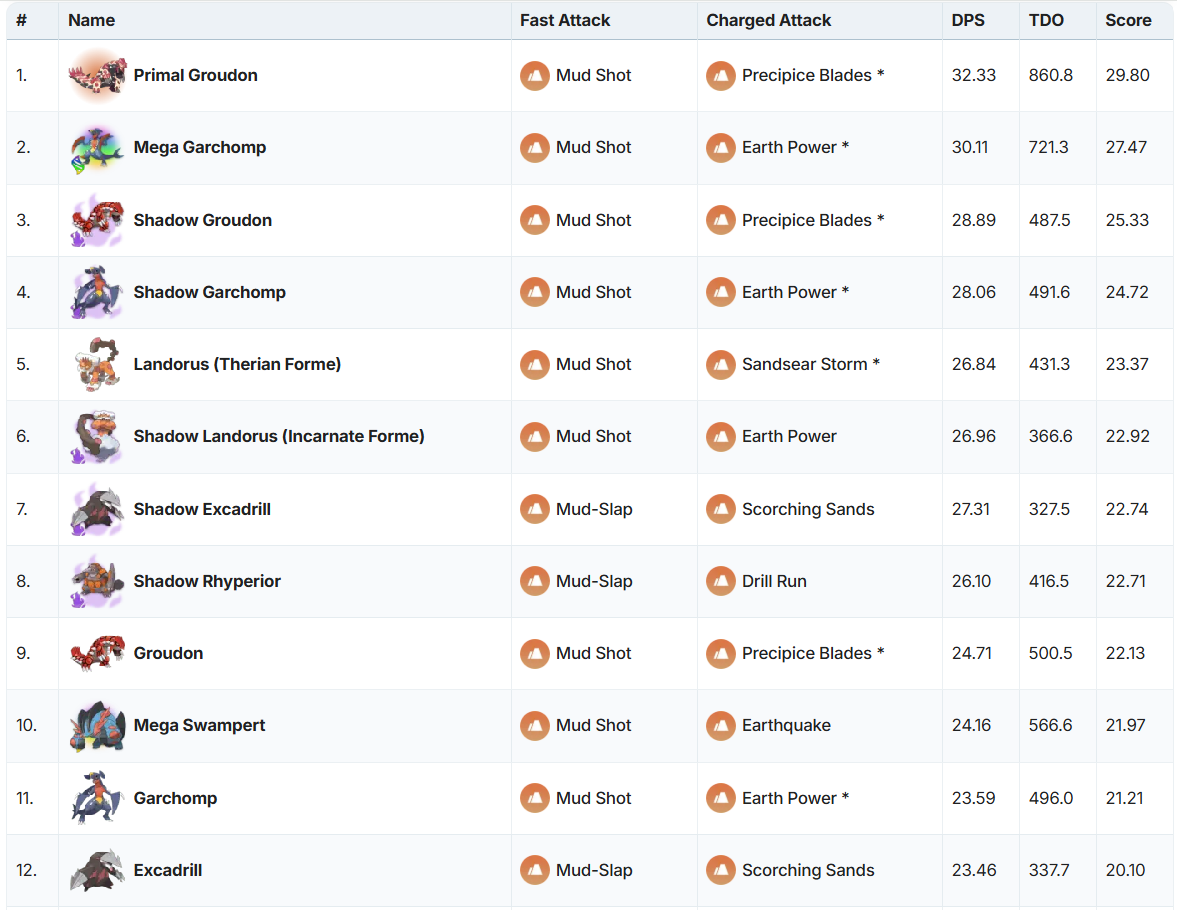
The standout Ground type wild spawns in Earthforged Domain are Gible, Drilbur, and Rhyhorn. Drilbur makes its first appearance in this habitat, while Gible and Rhyhorn were likely encountered earlier in the event. Regardless, all three remain high-priority catches. Excadrill, Garchomp, and Rhyperior are all exceptional multi-role raid attackers. Shadow Excadrill stands out for its efficiency and flexibility, especially because it can contribute in both Ground and Steel roles. Mega and Shadow Garchomp remain some of the most reliable Ground attackers available, while Shadow Rhyperior continues to be one of the most useful investments in the game thanks to its broad PvE utility. For Trainers looking to maximize long-term raid value rather than simply chase novelty, these are exactly the kinds of Pokémon worth grinding.
Next up are the Steel types. As mentioned above, Steel is an elite defensive typing, but in PvE its offensive niche matters just as much. It is one of the few types that is super effective against Fairy, and that alone gives it a very important place in the raid meta. It may not have the widest offensive coverage, but where it is relevant, it is often the preferred option.
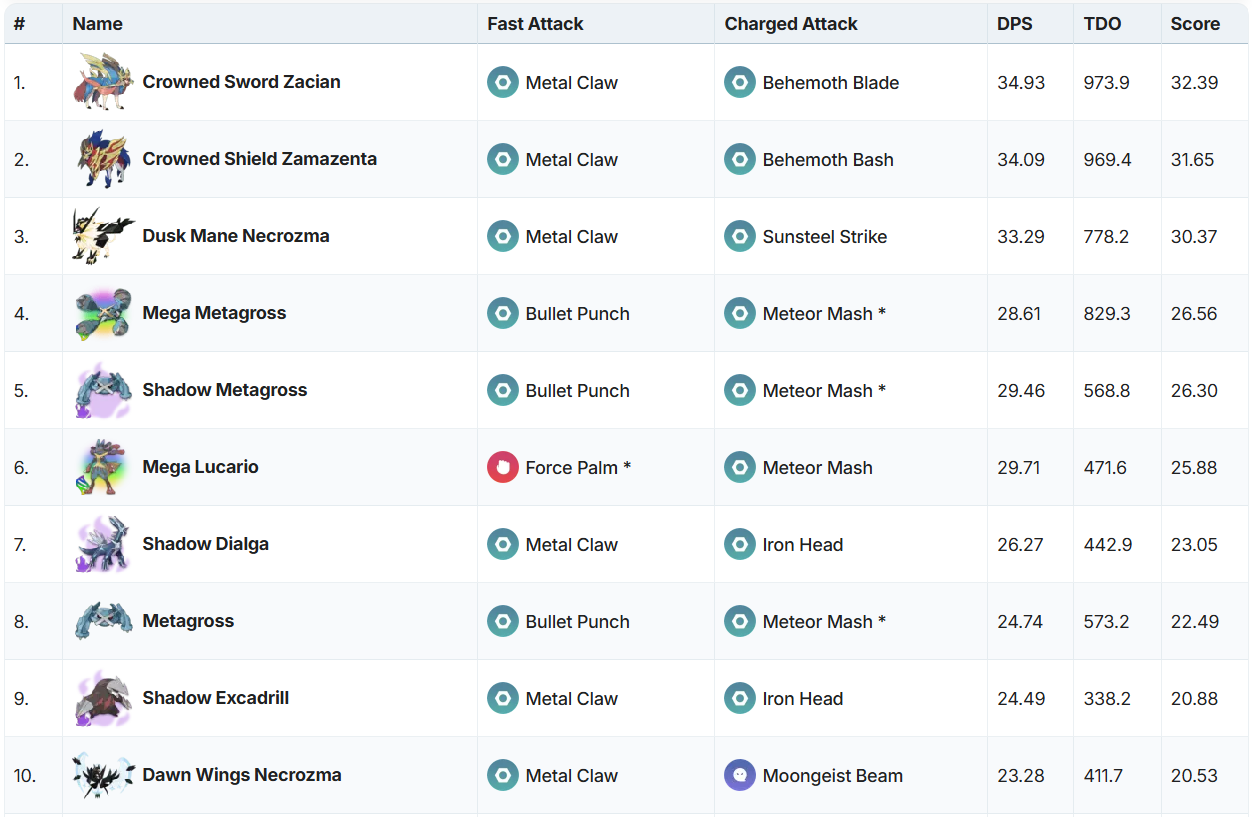
Like several other PvE typings, the Steel attacker hierarchy is heavily influenced by raid-exclusive powerhouses. Still, one wild spawn in this habitat clearly rises above the rest: Beldum. Metagross has long been one of the most popular and effective Steel attackers in Pokémon GO, and that remains true today. Regular Metagross, Shadow Metagross, and Mega Metagross all rank among the best Steel attackers in the game, making Beldum one of the most valuable catches in the entire habitat. If a Trainer is still missing Candy XL, strong IVs, or enough resources to finish building a proper Metagross, this is an excellent opportunity to fix that. Drilbur also deserves another mention here. While it is primarily a Ground type target, Shadow Excadrill can perform very well as a Steel attacker too. That kind of dual-purpose value is always welcome during an event with limited grinding hours. Any Pokémon that can strengthen two separate raid teams is automatically more efficient to prioritize.
The final type in Earthforged Domain is Normal, and for many Trainers this will understandably be the least exciting part of the habitat. Normal types are generally not important in PvE because they lack super-effective coverage. In a raid environment that heavily rewards type advantage, that makes it difficult for them to carve out a meaningful role. Still, this does not mean the featured Normal type spawns are completely without value.
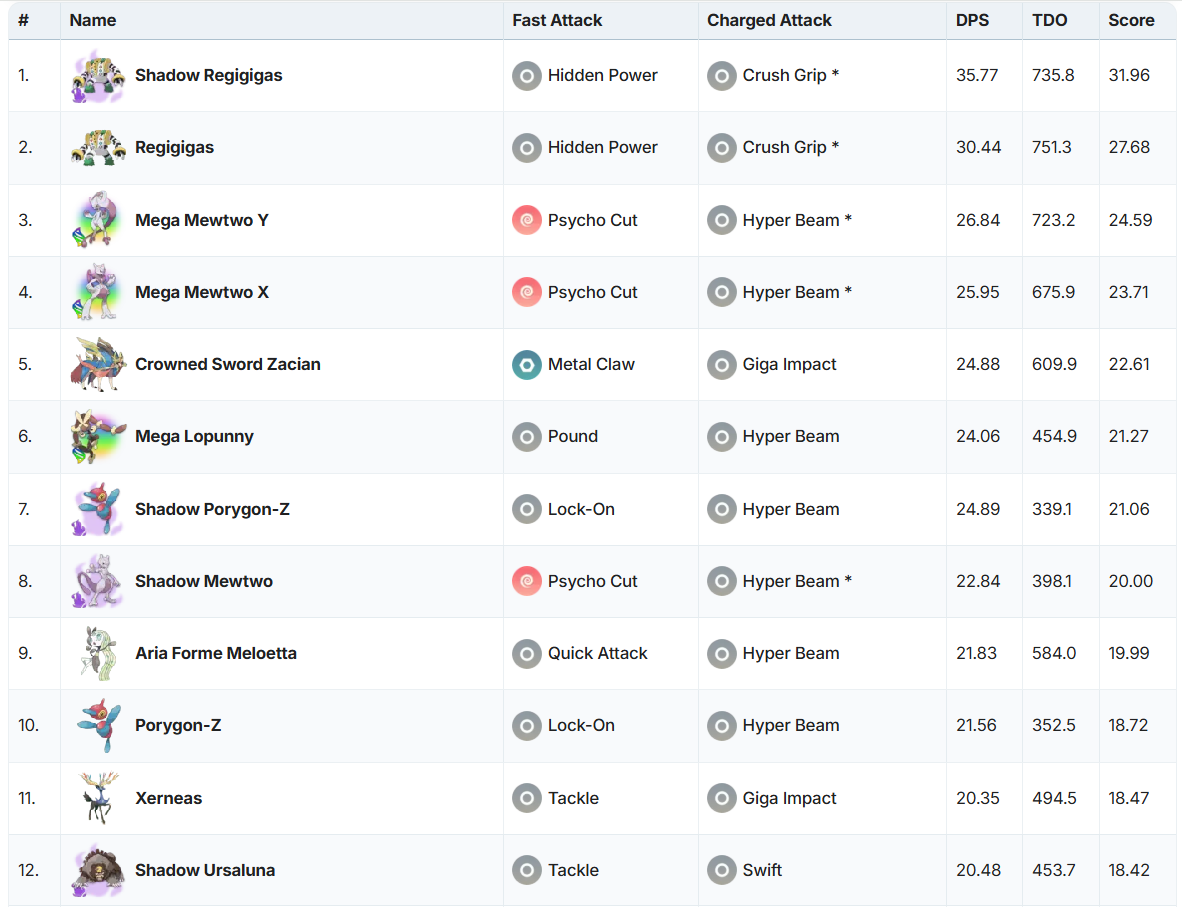
Trainers may want to keep an eye out for Porygon, Teddiursa, and Buneary. These are not must-grind targets for standard raid optimization, but they can still be worthwhile depending on a Trainer’s goals. Porygon-Z and Shadow Ursaluna can be used by players who enjoy spice picks or self-imposed raid challenges, especially in off-meta teams. They are not optimal, but they can be fun. Buneary is arguably the most practically useful of the three because of Mega Lopunny. While Mega Lopunny is capable of functioning as both a Normal and Fighting attacker, its greater value often comes from the support side. It can provide Mega boosts for allies in raids and also help Trainers earn extra Candy and Candy XL from both Normal and Fighting type catches. That gives it event utility beyond its own combat performance.
Best Pokémon to Mega Evolve for Mega Evolution Bonus: Steelix.
Verdant Anomaly
The next habitat in the rotation is Verdant Anomaly, which features Bug, Poison and Grass type Pokémon. If Earthforged Domain felt like a gentle warm-up, Verdant Anomaly feels more like the point in the day where many Trainers may be tempted to slow down, grab food, or take a short break. That is because Bug and Poison are, unfortunately, among the least impactful PvE typings in Pokémon GO. Both types have some theoretical offensive relevance, but in practice they are often overshadowed by stronger, more efficient alternatives. Grass is the clear exception here, and it is the type doing most of the real PvE work in this habitat.
On paper, Bug should be much better in PvE than it actually is. Bug type attacks are super effective against Psychic, Dark and Grass type Pokémon. That should be enough to give the type a strong and clearly defined offensive niche. In theory, Bug ought to function much like Steel or Psychic does in its best matchups. In practice, however, it suffers from a long-standing problem: many Bug type Pokémon simply do not have the stats to compete with attackers from other types. As a result, Bug type Pokémon often loose to stronger and more efficient contenders from Ghost, Fighting and Fire departments. The type is not unusable, but it rarely feels like the most efficient choice.
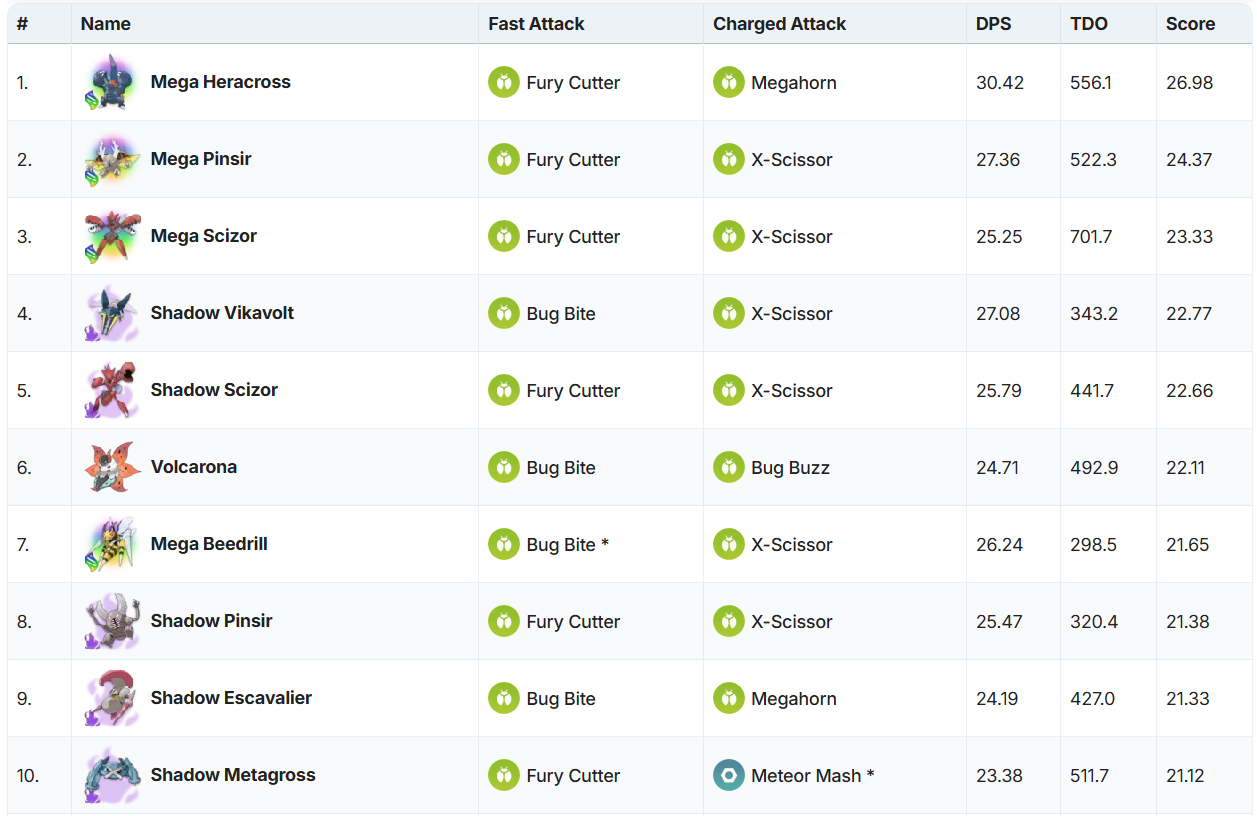 The good news is that the strongest Bug attackers are not locked behind raids in the same way many other top PvE options are. Trainers can target several useful Bug lines directly from wild spawns, including Pinsir, Scyther, Grubbin, and Weedle. These are all worthwhile catches for players interested in fleshing out a Bug roster. Shadow and Mega variants of Pinsir and Scizor along with Mega Beedrill and Shadow Vikavolt, all have some level of raid relevance, even if they are not top-tier universal picks. Bug teams are rarely a priority, but they can be useful in specific raid scenarios. A good example is Hoopa Unbound, where Bug attackers have a much more meaningful role than usual. So while this may not be the habitat to go all-in on, there is still some selective PvE value here.
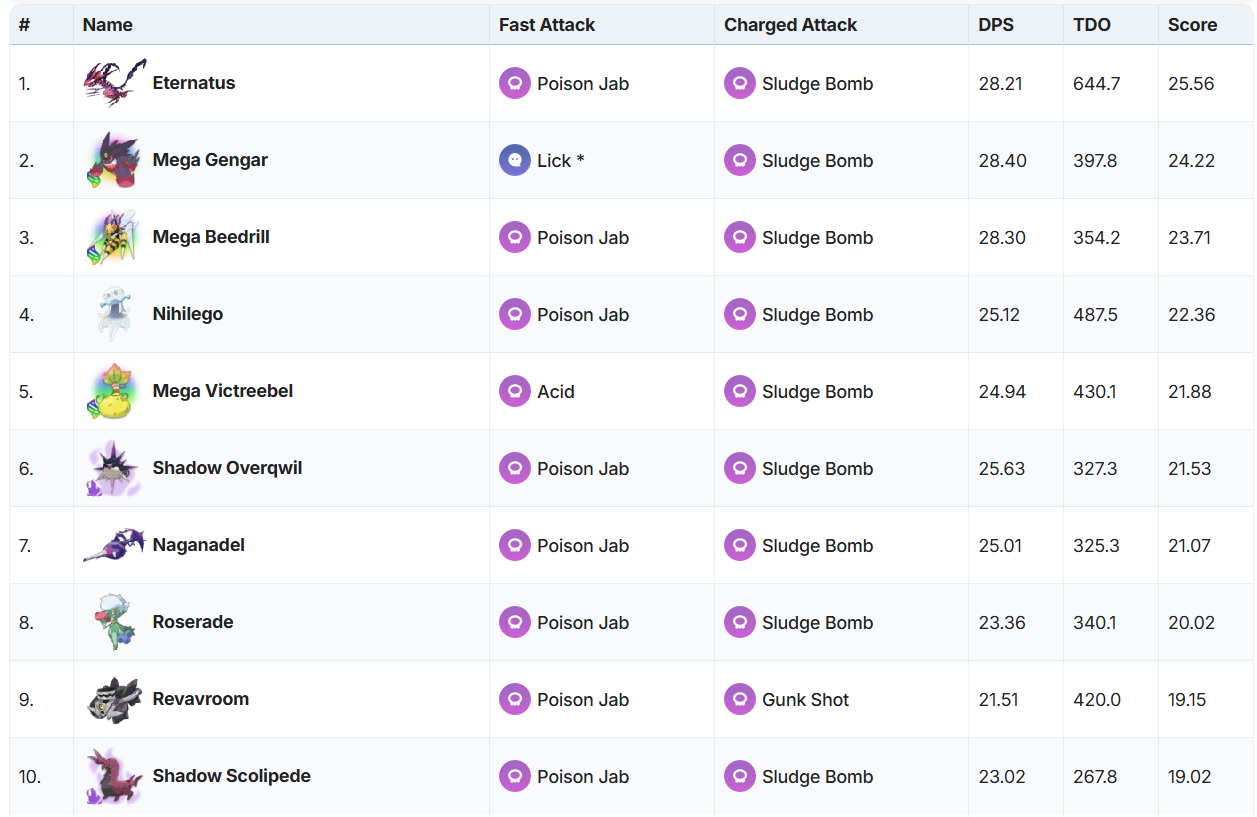
One thing that does help Poison is how often its useful species overlap with other typings. Many of them are dual-typed, which means they can still become relevant through another role even if Poison itself is not the main attraction. Gastly is a good example, though it is already featured in Astral Tides. Bellsprout and Roselia overlap here through their Grass typing, while Weedle and Venipede pull double duty through Bug. That overlap gives the habitat at least some extra farming value, even if Poison itself is not the reason most Trainers will care.
Grass is by far the most important type in Verdant Anomaly and the one category that can genuinely reward focused grinding. Alongside Fire and Water, Grass completes the traditional starter-type trio, and just like the other two, much of its raid strength comes from exclusive moves. Frenzy Plant continues to define the upper end of the Grass meta.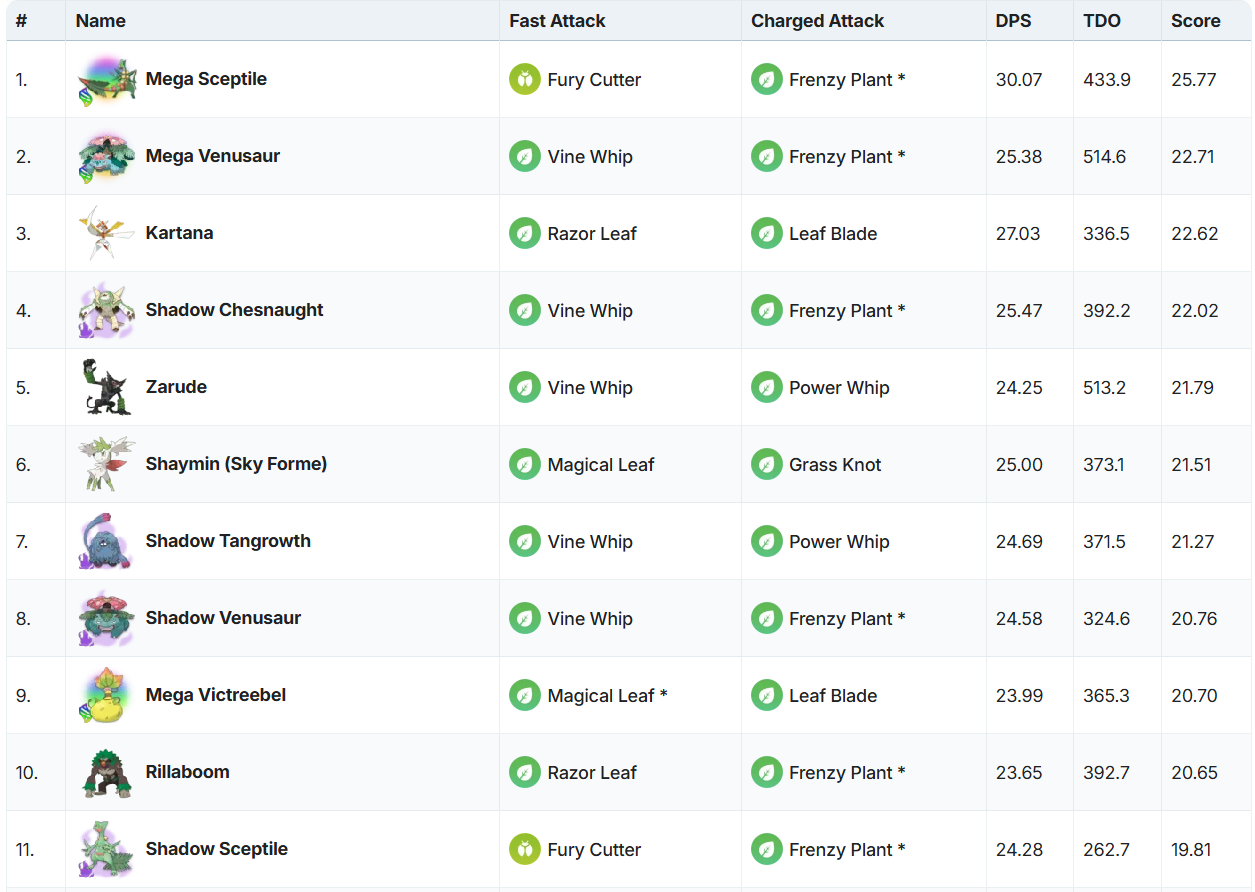
The wild spawns worth prioritizing here are Treecko, Bulbasaur, Tangela, Chespin, and Grookey. This is a very strong group. Mega Sceptile and Mega Venusaur sit at the very top of the Grass attacker pool, making Treecko and Bulbasaur especially appealing. Chespin is important because Shadow Chesnaught is a serious Grass attacker, while Tangela remains relevant thanks to Shadow Tangrowth. Grookey also deserves attention, with Rillaboom holding a respectable place among the better non-Mega non-Shadow Grass options. What stands out most about the Grass meta is how heavily it leans on Frenzy Plant users. That pattern is clear here as well. If a Trainer has missed earlier Community Days, lacks enough Candy XL, or simply wants stronger reserves for future Water, Ground or Rock type raids, Verdant Anomaly can still be worthwhile despite the weaker Bug and Poison offerings around it.
Best Pokémon to Mega Evolve for Mega Evolution Bonus: Victreebel, Beedrill or Venusaur.
Twilight Battlefield
Finally, we arrive at the last habitat of the day, and arguably the most important one from a PvE perspective: Twilight Battlefield. This habitat features Dark, Fairy and Fighting type Pokémon, and the name fits perfectly. It appears during the twilight hours of GO Fest, and the featured typings are absolutely battle-ready. Dark types are crucial against Psychic and Ghost raid bosses. Fairy types are excellent into Dragon, Fighting, and Dark matchups. Fighting, meanwhile, remains one of the single best offensive typings in the game, with strong coverage into Rock, Steel, Ice and Dark. Simply put, this habitat offers some of the most valuable offensive tools in Pokémon GO.
Starting with Dark types, it has one of the cleanest and most important offensive niche in the game. Dark attackers are super effective against both Psychic and Ghost and just as importantly, they also resist those same typings. That combination of offensive pressure and defensive advantage makes Dark Pokémon some of the most reliable counters in those raids.
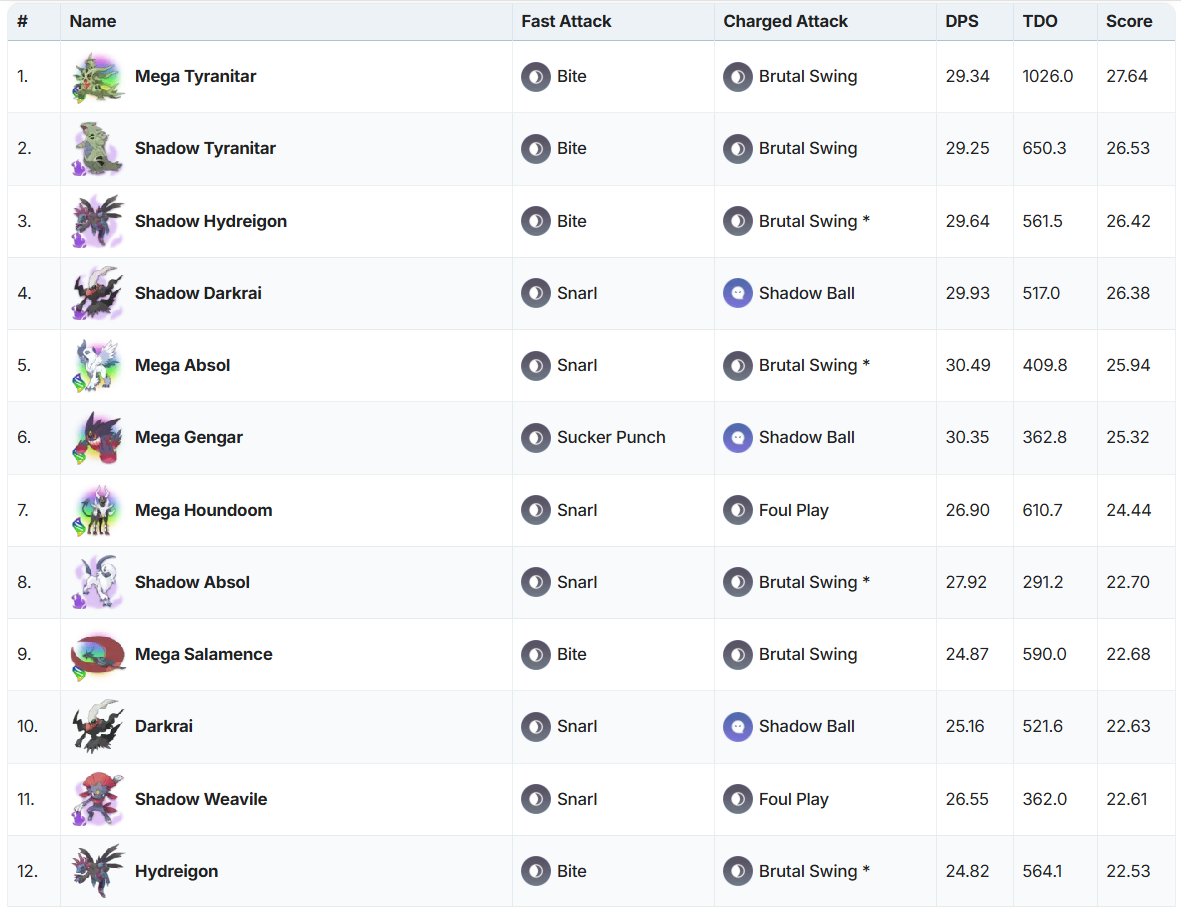
The standout Dark type wild spawns here are Deino, Absol, and Houndour. Larvitar would have already been featured for both Rock and Ground habitats. Mega Tyranitar is well established as a premier Rock attacker, but it is arguably even more impressive in its Dark role. Deino is another major target, as Hydreigon remains one of the most dangerous Dark attackers available, and Shadow Hydreigon pushes that ceiling even higher. Absol is a particularly interesting event target. Mega Absol delivers excellent damage output and remains one of the most aggressive Dark type options in the game. On top of that, Absol has another Mega Evolution in the main series that has not yet been released in Pokémon GO, which gives it added long-term speculative value for collectors and optimizers alike. Houndour rounds out the group with Mega Houndoom, which serves as a solid alternative for Trainers who may not have the Mega Energy or resources for Mega Tyranitar or Mega Absol. Altogether, Dark is a very rewarding category to grind here, especially for Trainers who want dependable coverage against Psychic and Ghost type raid bosses.
Next are the Fairy types, another highly relevant PvE category even if the wild spawn pool is not especially deep. Fairy has carved out one of the most useful offensive niches in the game. It is super effective against Dragon, Fighting and Dark, and it also resists those same attack types in key matchups. That gives Fairy a very valuable mix of offense and survivability.
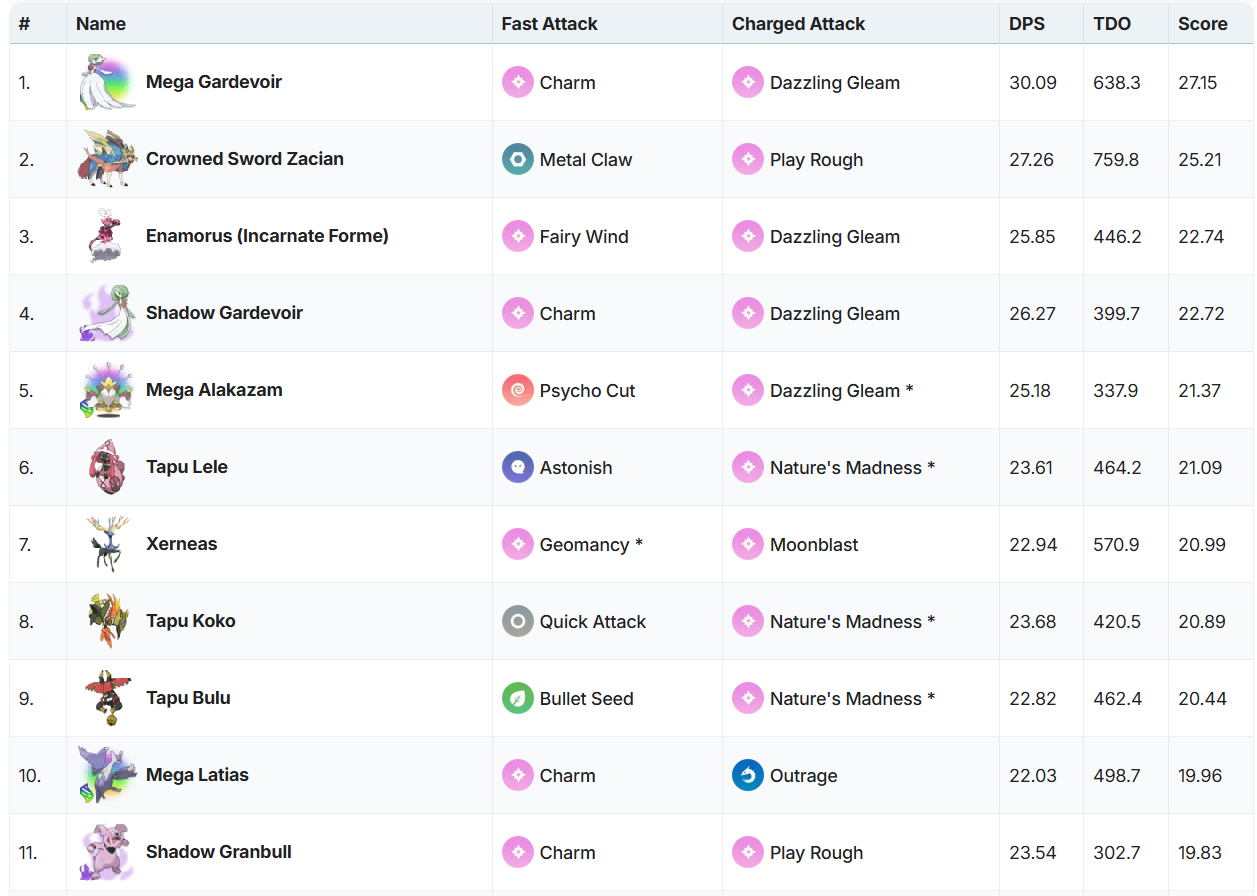
The main limitation is that best Fairy attackers are often raid-exclusive or otherwise not easy to build through ordinary wild farming. That makes strong Fairy wild spawns especially important when they do appear. The clear priority here is Ralts. The Gardevoir line remains one of the most important Fairy families in Pokémon GO, and Mega Gardevoir is still the best Fairy attacker. Regular Gardevoir and Shadow Gardevoir also maintain strong PvE relevance, which makes Ralts arguably one of the single most valuable catches in the entire habitat. Another spawn worth noting is Snubbull. It may not command the same attention as Ralts, but Shadow Granbull is a respectable Fairy attacker and sits just outside the very top tier. For Trainers who do not have access to a stack of Fairy legendaries or premium raid-built options, it can still serve as a useful roster piece.
The final featured type of the entire GO Fest habitat cycle is Fighting, and fittingly so. It has long been one of the strongest offensive typings in Pokémon GO, and any Trainer serious about PvE should aim to have a solid Fighting roster.
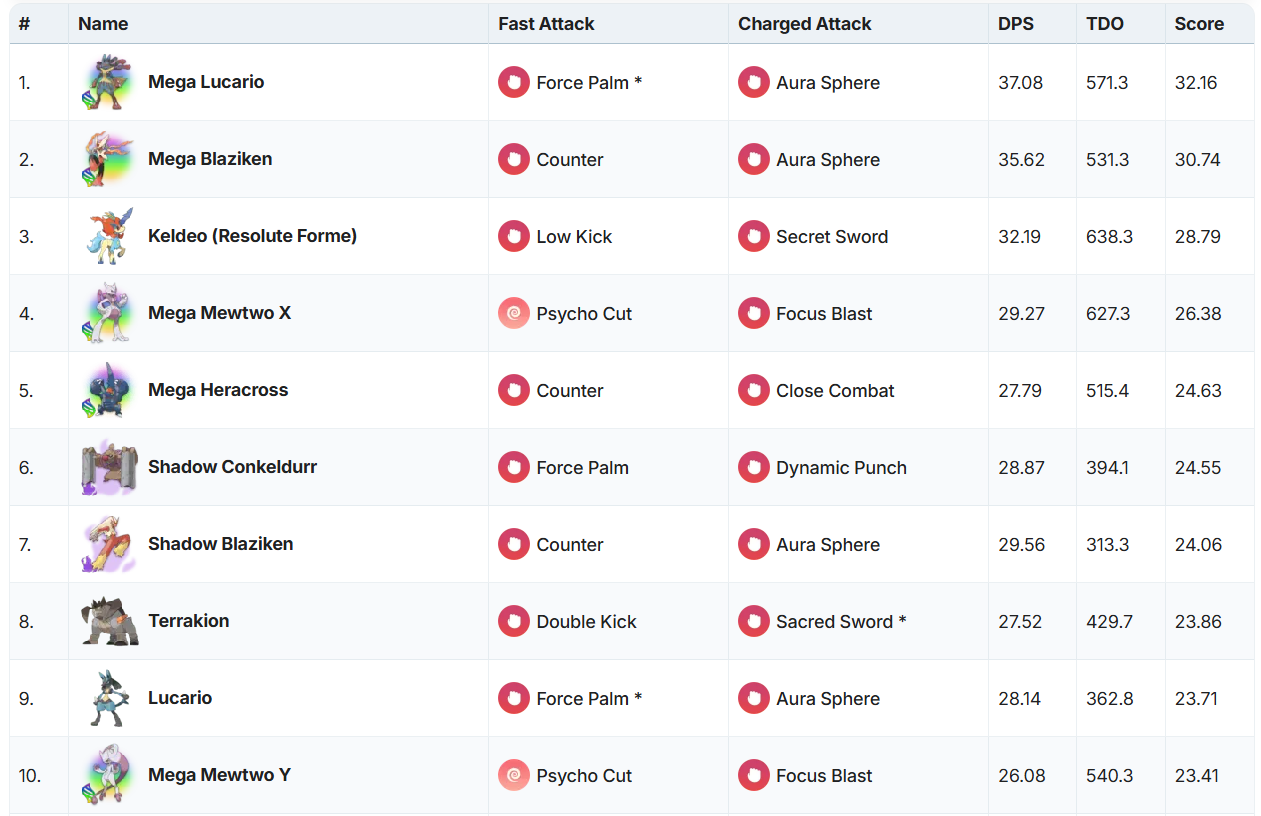
However, there is one drawback in this habitat: some of the best non-raid-exclusive Fighting attackers are not conveniently represented in the wild spawn pool. Mega Lucario and Mega Blaziken are among the best options, but Riolu is likely locked to Eggs (though Lucario may spawn in the wild, in which case, Trainers should absolutely look toh catch as many as possible), while Torchic appears earlier under Stormfire Peaks due to its Fire typing. That leaves Timburr as the main PvE-relevant Fighting wild spawn to prioritize here. And to be fair, that is still a very good target. Shadow Conkeldurr ranks right alongside many of the best Fighting attackers in the game and is an excellent investment for Trainers building out a raid team. Machop and Makuhita are also worth catching as secondary priorities. Shadow Machamp remains a classic and reliable Fighting type option, while Shadow Hariyama can serve as a strong backup for players who need additional depth. They may not be the absolute top of the meta anymore, but they are still very serviceable and far from obsolete.
Best Pokémon to Mega Evolve for Mega Evolution Bonus: Malamar, Lucario or Gardevoir.
Parting Words
That is it, Trainers! Our Part 2 PvE analysis for Pokémon GO Fest 2026 Global is complete. While Day 2 may begin at a steadier pace with Earthforged Domain and dip slightly in intensity during Verdant Anomaly, it more than makes up for it with a massive finish in Twilight Battlefield. Each habitat still brings its own kind of PvE value.
If the goal is to identify the best Day 2 habitats for Pokémon GO PvE, each one fills a different role.
- Earthforged Domain is a reliable habitat for practical roster building, with strong value across Ground and Steel.
- Verdant Anomaly is the weakest habitat overall from a PvE perspective, but its Grass spawns still give it real value.
- Twilight Battlefield is the clear headliner of the day, offering premium PvE relevance across Dark, Fairy, and Fighting.
The simplest way to look at it is this: Earthforged Domain helps reinforce proven essentials, Verdant Anomaly offers selective value, and Twilight Battlefield is where serious PvE grinding reaches its peak. Pokémon GO Fest 2026 Global is not just about raids, debuts, or flashy headliners. The wild spawn pool is once again packed with Pokémon that can strengthen raid teams for months to come, and Trainers who plan their grinding carefully should come out of the event with far more than just a few memorable catches.
Let us know, Trainers! Which Day 2 habitat are you most excited for? Will you be spending more time hunting top-tier wild spawns, or are Mega Mewtwo X, Mega Mewtwo Y, and Zeraora still your main focus during GO Fest 2026 Global?
As always, stay safe, and good luck out there! Happy 10th Anniversary, Pokémon GO Trainers!


