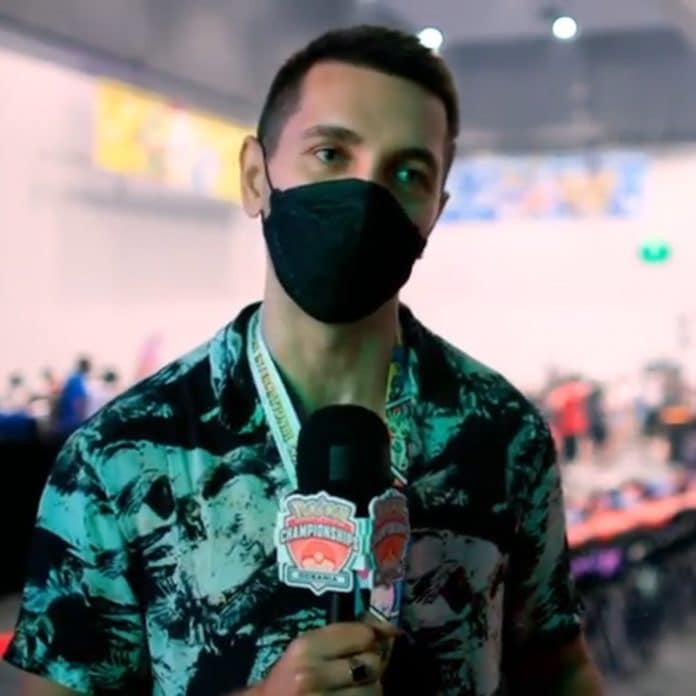

At the time of writing this article, I’m only days away from the biggest event of the year, the 2026 Pokémon World Championships.
“Big whoop, why should I care?”
With thousands of dollars on the line, trophies, in-game rewards, the chance to witness the best battlers in the world and, of course, the opportunity to be crowned a World Champion, if that doesn’t sound like a good enough reason to care, then I don’t know what is.
I have the privilege of attending this major event, and I wanted to talk about some of the preparation I’ve been doing over the past few weeks leading up to it, not only in the game, but also the mental framework I’ve been trying to build before stepping onto the biggest stage of the year.
So, where do we begin? For me, the grind has never really stopped. This will be my 5th consecutive World Championships in which Pokémon GO has been included, and consistent practice has always been my main focus when it comes to staying on top of my game. Whether that means achieving Legend in the GO Battle League, pushing my way up the global leader boards, preparing for an upcoming Regional or local event, or simply proving to myself that with enough time, effort and dedication, you can excel at anything you put your mind to, there is always something to work towards.
But enough about all that. Let’s talk about the last few weeks and what I’ve actually been doing to prepare for Worlds.
For me, preparation starts with a pen and paper. Going back to the basics and theory-crafting a team is one of the first things I like to do, writing down which Pokémon I’m comfortable using, which ones I’m less experienced with, what I expect the meta to look like, and which threats I think are most likely to show up. I’ve also been getting into the habit of taking notes while battling, which is a skill that can work really well for some players while others prefer to rely entirely on memory and instinct. There’s no right or wrong way to approach it, it’s simply about finding what works best for you.
Once the theory-crafting stage is done, it’s time to move into testing.
Practice battles against strong players are one of the best ways to figure out what is actually working and what isn’t. A good starting point when building a team is finding a strong core and building around that. A core is 2 Pokémon that pair well together and can cover their weaknesses well, all while considering what top threats will be.
Without giving too much away about my own team, because I don’t want any leakers figuring out what I’m running 👀, there are a few things I always look for when putting a line-up together.
A good team needs a mixture of flexibility and dedicated answers to popular meta Pokémon. You want enough flexibility to still have play when you get into a bad matchup, while also having Pokémon that can reliably handle the threats you expect to see. Comfortability plays a huge role too. You can theoretically throw the six best Pokémon in the format onto a team, but if you hesitate, misplay or simply don’t understand how to use them properly because you lack experience, that can and most likely will come back to bite you.
One of the biggest parts of deciding on a team is simply being confident in it. You don’t want to walk into a World Championship feeling like your team is missing something, whether that’s damage, bulk, Fast/Charged Move pressure or coverage.
When you constantly question your own team, it can start to affect your gameplay as well. You begin second guessing decisions, thinking about what you should have brought instead of focusing on the battle happening in front of you, and that regret can be difficult to overcome once the tournament has already started. Find what works for you. Trial and error until you’re confident in both yourself and your team.
For me, that confidence doesn’t necessarily come from having a team that I think is unbeatable. It comes from knowing that I’ve tested it enough times to understand how I want to play it, what my win conditions are and what I need to do when things don’t go according to plan.
With that being said, it’s not unusual for players, even at this level, to decide on their final line-ups very close to the tournament. A big part of competitive Pokémon GO is gathering information from other battlers, sharing data and trying to work out what Pokémon are being used most frequently, which allows players to determine what they need to prepare for and where their own teams might have specific weaknesses. It’s also a great way to stress-test a team and see where the real problems are.
Sometimes, the losses in practice can feel rough, especially when you’re preparing for a World Championship and expecting yourself to perform well, because that expectation can add another layer of pressure. From my experience, I try to treat losses as data. A loss usually comes down to one of two things: I made a misplay, or my team was at a disadvantage. As long as you can separate the emotion from the result, the feedback can be incredibly valuable when deciding what your final team should look like.
Understanding why you lost is one of the most important parts of becoming a better player, because most of the time, the loss itself isn’t the important part, it’s what you learn from it afterwards.
Hold up, though. That would all be too easy. We were recently thrown a spanner in the works with the addition of Thievul and its new Community Day exclusive move, Icy Wind. Why does this matter? Well… let’s just say it now fits right into the meta. And with only days left before Worlds, players have suddenly had to evaluate everything all over again, checking whether their current teams can handle this new threat and whether they should consider running it themselves.
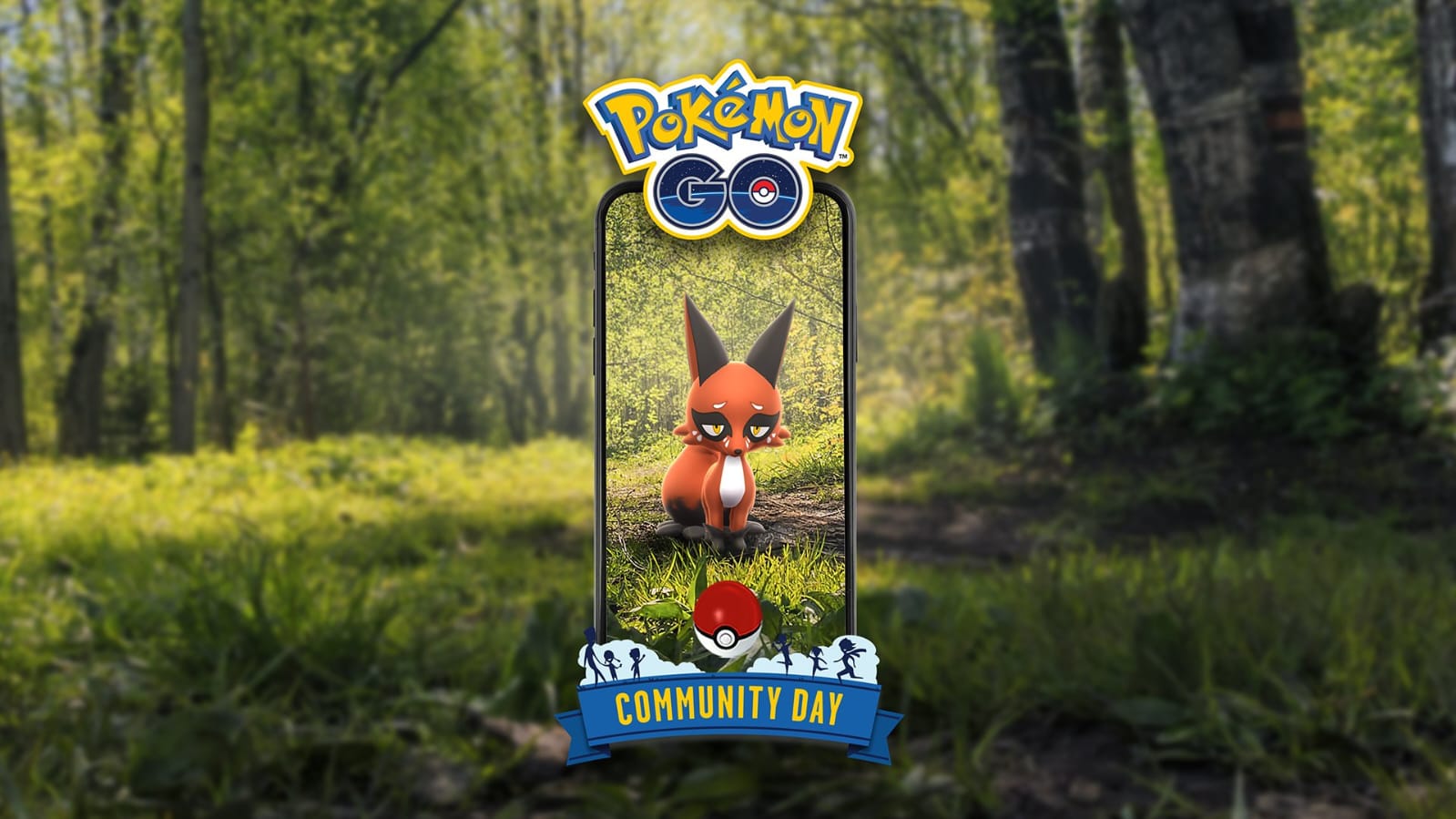
Thievul has incredibly useful moves, with good matchups into some of the top meta Pokémon, a debuffing move in Icy Wind, Night Slash as a spammy Charged Move with the potential to boost its own Attack, and Sucker Punch as its Fast Move. It’s most definitely become something that players need to consider, especially when you’re trying to predict what the meta might look like at Worlds.
This is the part of preparing for a major tournament that can be frustrating. You can spend weeks building and testing a team, only for something new to come along right before the event and suddenly force you to question everything.
One thing that’s important to remember is that there is no such thing as a perfect team. It’s physically impossible to cover everything, and there will always be Pokémon that are strong against your team or situations where your opponent simply gets the alignment they need.
The important thing is knowing which Pokémon are strong against you and expecting your opponent to bring them. Preparation isn’t necessarily about building a team that wins every matchup, it’s about having a plan for the bad ones and understanding how you can navigate your way out of a difficult situation.
If you know you’re at a team composition disadvantage, having a strategy going into the battle can make a huge difference. Sometimes you need to make a risky call because playing it safe simply won’t get you there. You’re never going to cover everything, so you have to be comfortable with what you’re leaving uncovered.
After re-evaluating my team and making sure I’m covering most of the major threats, it’s time to do what we all love. Practice, practice and more practice. Scrims and online tournaments are a great way to get those extra reps in before a major event.
The final week isn’t really about completely reinventing yourself as a battler. It’s about getting those extra reps in, building confidence in your decisions and making sure that when you sit down on tournament day, you’re not thinking about what you could have done differently during your preparation.
As important as it is to lock in and put your focus into practice and team building, your mindset is just as important. Finding a balance between life and practice. Life tends to throw us curveballs from time to time. The best thing is knowing what thoughts are worth investing energy in and what are not.
Keeping your mind free from unnecessary clutter can carry over directly into your gameplay. For me, when I’ve got a lot on my mind and I’m dealing with other things, I find it much harder to focus, whereas when I’m in a good mood and genuinely in the zone, my gameplay feels crisp, I’m more confident, and I’m much more comfortable battling against top players.
Going for walks, spending time with people close to me, talking to others and doing things I genuinely enjoy has been a good way of remembering who I am outside of Pokémon GO. Having a clear goal and a routine has been a great way for me to find my groove again. The hardest battle is often the one happening inside your own mind.
Keeping physically fit plays an important role too. Going to the gym, hitting your step goals, getting some sunlight and pushing yourself physically can transfer into the game more than you might expect, especially when you’re spending hours sitting at a tournament and concentrating on every move your opponent makes.
Being physically active helps me feel sharper, more focused and more prepared to compete. It might not directly improve your Pokémon GO mechanics, but feeling good physically can absolutely affect how you perform mentally, and I think that’s something that can easily get overlooked when players are preparing for a major tournament.
There’s also something nice about stepping away from the game for a while. When you’re spending hours looking at team compositions, battling in scrims and thinking about matchups, sometimes the best thing you can do is put your phone down and go touch some grass.
With all of that being said, time is almost up.
Next up is the long journey from Perth, Western Australia, to San Francisco, and thankfully, landing a few days early should give me some time to adjust to the extreme time-zone difference before the tournament begins. I’m looking forward to exploring the city, taking in the surroundings and, of course, catching up with all the competitors.
Regardless of my result, even if I go 0-2, I’ll still be glad I was there.
Whatever happens, happens.
I know I’ve put in the work and effort needed to perform well at a World Championship, but anything can happen on the day. I could get bad alignment, my opponent could get a game-winning boost, or I could simply misplay.
“It’s not what happens to you, but how you react to it that matters.”
—Epictetus
We can prepare as much as possible, but once the battle starts, anything can happen. Regardless of the result, I’ll know that I gave it my best shot, and I’ll still be incredibly grateful to have the opportunity to compete at such a major event. There are only so many people who get the chance to play on this stage, and regardless of how the tournament goes, I want to make sure I take the time to appreciate the experience.
I’ve spent years playing this game, travelling around the world, and competing against some of the best battlers in Pokémon GO. Getting to do that one more time at Worlds is something I don’t take for granted.
Be sure to catch the official Pokémon GO World Championships broadcast, live on Twitch on the 28th of August, so you don’t miss any of the action.
And remember to cheer for avrip! 🎉
Until next time, trainers.