

Greetings Trainers! Welcome to Part 2 of our special series at Pokémon GO Hub: Pokémon GO Through the Years. If 2016 was the year the world walked, then 2017 was the year Pokémon GO began to understand what it wanted to be. In the previous year, Pokémon GO felt like lightning in a bottle. The world stepped outside, looked at familiar streets in a completely different way, and for a brief moment, parks, sidewalks, and city squares felt connected by the same shared excitement. But 2017 was different, and in many ways, it had to be. It gave the game structure, momentum, and a future.
This was the year Niantic started turning Pokémon GO from a global craze into a living game with seasonal events, major feature updates, raid culture, shiny hunting, and real-world gatherings that brought communities together. This was the year the game stopped surviving on curiosity alone and started building a reason to come back. Not just for a week or a month, but for the long run.
January and February: A Wider World

The beginning of 2017 did not arrive with the chaos or wonder of launch summer. Instead, it felt like Pokémon GO was catching its breath, trying to figure out what came next after changing the world almost overnight. There were still signs of that reach. South Korea finally received an official launch on January 24, a reminder that even as some players drifted away, the game was still expanding and still capable of beginning again for new communities. It was an early hint of what 2017 would become: not the loudest year, but one of the most important.
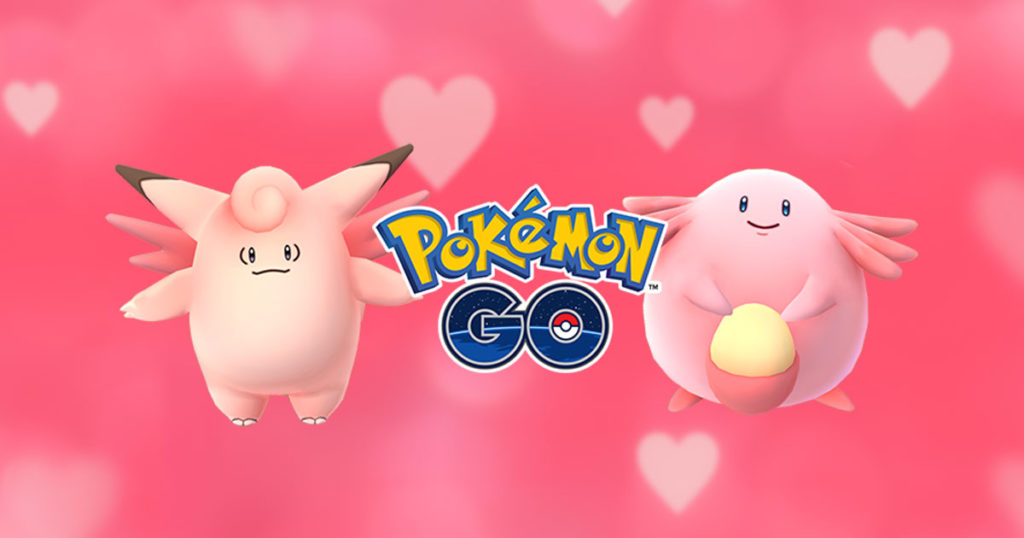
February was the first truly massive turning point of the year. The Valentine’s Day event brought increased pink Pokémon spawns and double Candy for catching, hatching, and transferring, giving players both a themed event and a practical grind incentive that would become a hallmark of future event design.
A week later, Pokémon GO took a major step forward with the arrival of Johto Pokémon. For many players, this was more than a content update. It was reassurance. It meant the game was moving, evolving, and not content to remain frozen as a Kanto-only memory. Suddenly there were new silhouettes to chase, new evolutions to work toward, and new items to collect. Pinap Berries and Nanab Berries entered the game, evolution items became part of the experience, and Pokémon GO felt alive in a new way, not because it was brand new, but because it had finally begun to grow.
And then, on Pokémon Day, Party Hat Pikachu appeared, the second costume Pikachu after Santa Claus Pikachu. That last detail may seem small, but it quietly stamped the continuation of Pokémon GO’s long-running love affair with costume Pokémon.
March to May: The Shape of Routine Begins
Spring 2017 was when the game started developing a rhythm. On March 21, 7-day PokéStop spin streaks began guaranteeing an evolution item, which helped smooth out one of the more frustrating parts of Gen 2 progression. A day later, the Water Festival made a much bigger splash. On March 22, shiny Magikarp made its debut, making it the first shiny Pokémon available in Pokémon GO, and that single release changed the way many players approached the game from then on. Every tap carried a little more suspense, every common spawn had the faint possibility of becoming unforgettable. Shiny hunting, now such a core part of Pokémon GO identity, began.

April and May continued that event-driven momentum. The first Eggstravaganza arrived on April 13, followed by the Worldwide Bloom event on May 5 with increased Grass type spawns, and Adventure Week on May 18 with boosted Rock type encounters and a free Adventurer’s Hat. In hindsight, these events were proofs that themed weeks could keep the game lively without needing a massive mechanical overhaul every time.
June: The Month that Changed Everything
After spring came summer, and with it one of the biggest turning points in the game. If February refreshed Pokémon GO, June rebuilt it. The Solstice event on June 13 kept the seasonal event cadence going with increased Fire and Ice type spawns, but beneath that, something much larger was about to happen.
The truly transformative moment came on June 22, when the gym rework went live. Gyms had been one of the most criticized parts of early Pokémon GO, often dominated by entrenched defenders and inaccessible to many casual players, so the rework was an attempt to create a more balanced and broadly engaging system. The following changes were made to Gyms:
- Gyms will now have 6 unique slots (no two of the same Pokémon).
- Motivation system was introduced.
- Gyms can now be spun like PokéStops for items.
- Trainers can obtain Gym Badges, which can be levelled up for increased rewards.
- PokéCoins we capped at 50 coins per day, with 1 coin awarded for every 1 minute the Pokémon was placed in the Gym.
A week later, on June 29, Raids Arrived. It is hard to describe just how important that moment was unless you lived through it. Raids did more than add battles. Not only did raids give Niantic and additional source of revenue, they gave communities a reason to gather again. They gave local groups a schedule, a goal, and a shared language. People were not just wandering anymore. They were meeting, planning, calling out timers, waiting for enough trainers to arrive. In a game built on movement, Raids gave players a destination.
July: The Legendary Era Begins
By July, Pokémon GO was beginning to feel bigger again. Its first anniversary on July 6 brought Ash Hat Pikachu and Pichu, another small but memorable sign that the game was embracing celebration and collection as part of its identity. Then came GO Fest in Chicago on July 22, one of the most infamous and unforgettable events in Pokémon GO history. It was messy, disappointing for many attendees, and far from the triumphant live showcase people had hoped for, so much so, that refunds and even lawsuits followed.
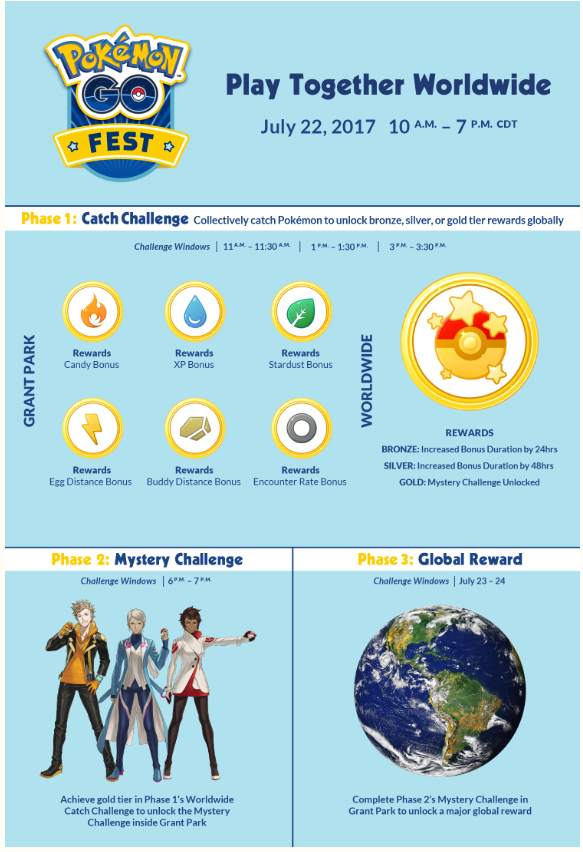
But even from that difficult moment, something historic emerged. Lugia entered raids, Articuno followed, and for players across the world, Legendary Pokémon were finally real. Not rumours, not datamined dreams, not future promises, but real raid bosses appearing over gyms. They gave communities a reason to run across town with the same urgency people once reserved for rare wild spawns. Moltres arrived on July 31, and suddenly the sky itself seemed different. Pokémon GO had found a new scale and a new kind of headline content—timed, powerful and impossible to ignore!
August and September: Live Events and Mewtwo
August kept the momentum going at an incredible pace. On August 4, an “unusual occurrence” boosted Unown and Kangaskhan spawns across many European cities, and on August 7, Zapdos entered raids. Then Yokohama took center stage. The Pikachu Outbreak event began on August 9 with increased Pikachu spawns, and it also introduced shiny Pikachu and Pichu, expanding shiny hunting beyond Magikarp for the first time. Just a few days later, on August 14, Mewtwo EX raid tests took place in Yokohama, while Lugia and the Legendary Kanto Birds returned to raids. Pokémon GO was becoming more than a mobile game, it was becoming a calendar of places and moments, where being in the right city at the right time could feel magical.
At the end of August, Raikou, Entei, and Suicune appeared in rotating regional raids, dividing the world into different Legendary experiences before rotating them later. That structure carried into September. The first wave of EX raid passes for Mewtwo went out on September 6, introducing one of the most coveted and debated systems the game had seen so far. Later that month, Safari Zones were held in Oberhausen, Paris, and Barcelona on September 16, the Equinox event arrived on September 22 with boosted Chansey, Larvitar, and Mareep hatches, and the Legendary Johto beasts swapped regions on September 30.
October to December: The Year Ends with a New Future
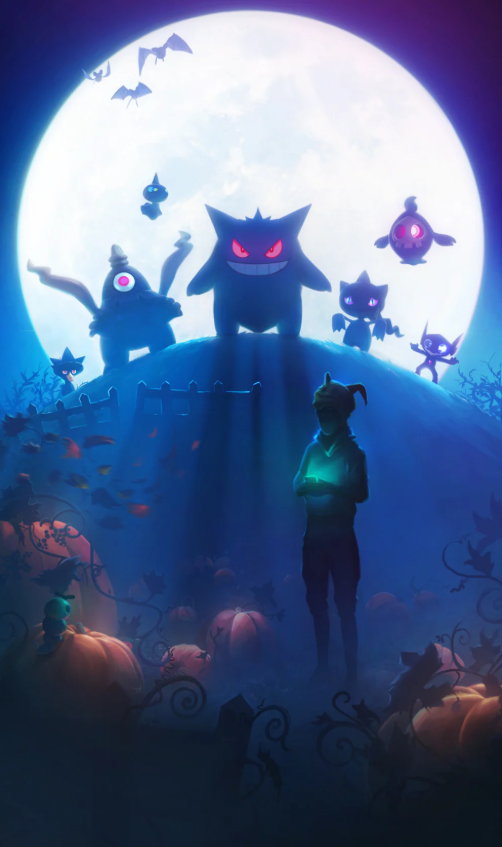
The closing stretch of 2017 was packed. October featured more Safari Zones in Copenhagen and Prague on October 7, then Stockholm and Amstelveen on October 14, before the Halloween event returned on October 20. This Halloween event was especially important because it introduced the first wave of Gen 3 Pokémon, specifically Ghost types Shuppet, Duskull and Sableye along with their shiny variants. At the end of October, the Legendary Johto Beasts made their final rotations.
November continued the global focus with Pokémon GO Week in Korea beginning on November 4, followed by the Global Catch Challenge. When trainers worldwide hit the Gold goal on November 26, Farfetch’d was released globally and Kangaskhan became available in East Asia for 48 hours, while Ho-Oh made its raid debut on November 27 as a reward for the community’s efforts. These events carried a spirit that suited Pokémon GO perfectly: the idea that millions of individual actions, spread across cities and countries, could contribute to a single shared reward.
December arrived and made 2017 feel complete. On December 8, the second wave of Gen 3 launched with Treecko, Torchic, and Mudkip, new raid bosses gave players access to shiny Absol and Mawile, and both became the first raid-exclusive non-legendary Pokémon. The Weather System also went live that same day, changing spawn behaviour based on real-world conditions and adding another layer to daily play that still defines the game today. The month closed with Groudon debuting in raids on December 15, AR+ launching on Apple devices on December 20, and a third wave of Gen 3 Pokémon arriving on December 21, centered mostly on Water and Ice types, alongside Delibird and shiny Snorunt.
Why 2017 Still Matters!
2017 was not the year Pokémon GO took over the world. That had already happened. 2017 was the year it learned how to stay. It was the year it discovered how to turn excitement into habit, and habit into community. Raids gave people gathering points. Shinies gave every encounter possibility. Live events gave the calendar meaning. Legendary Pokémon gave the whole experience scale. The year 2017 gave Pokémon GO durability. Without it, the game might have remained a beautiful memory. Because of it, Pokémon GO became something else entirely: a game that could change, stumble, recover, and keep walking forward with its players. And maybe most importantly, 2017 was the year Pokémon GO stopped being just a phenomenon and started becoming a platform.
Let us know Trainers! Were you playing Pokémon GO back in 2017? What was your favorite memory from that year? Did you attend the 2017 GO Fest?
And as always, stay safe!


